chunnel.co.uk › Pets
Eurotunnel with dogs and pets: rules, check-in and how to book
Your dog or cat stays with you in the car for the whole 35-minute crossing on Eurotunnel LeShuttle, with no kennels and no being left alone. Here is what your pet needs, how pet check-in works at Folkestone, and how to book.
Can you take dogs and pets on the Eurotunnel?
Yes. Your dog, cat or other pet travels in the car with you for the whole 35-minute crossing on Eurotunnel LeShuttle. There are no kennels and your pet is never left alone, which is exactly why so many owners choose the tunnel over the ferry, where pets often have to stay in the car on a lower deck or in onboard kennels. You book your car as normal and add your pets to the booking. The one thing to get right well before you travel is the paperwork.
Book your Eurotunnel crossing with pets
Book your car first and add your pets to the same booking. Use the price checker below to compare live Eurotunnel fares from Folkestone to Calais; the fare is per vehicle and covers up to nine people, with a small per-pet charge added on top.

What you need to take a dog or pet to France
Since Brexit, the old GB pet passport no longer works for travel to the EU. Your pet now needs the following, and the key is to start early because some steps have strict timing.
- Microchip. Your pet must be microchipped before anything else, as the rabies vaccination only counts if given after the chip. After a first rabies vaccination, wait at least 21 full days before you travel.
- Valid rabies vaccination. Must be in date and given after microchipping, with a minimum wait before you can travel.
- Animal Health Certificate (AHC). This replaces the old GB pet passport. Since 22 April 2026, no more than five pets can travel in one private vehicle. It must be issued by an official vet no more than 10 days before you arrive in the EU and is valid for a single trip (the day of issue counts as day 1). One certificate covers up to five pets.
- Tapeworm treatment (dogs only, for the UK return). Given by a vet between 24 and 120 hours (1 to 5 days) before you arrive back in Great Britain.
How pet check-in works at Folkestone
Pet check-in at the Folkestone terminal is quick, but it is a separate step, so allow a little extra time on top of your normal arrival time.
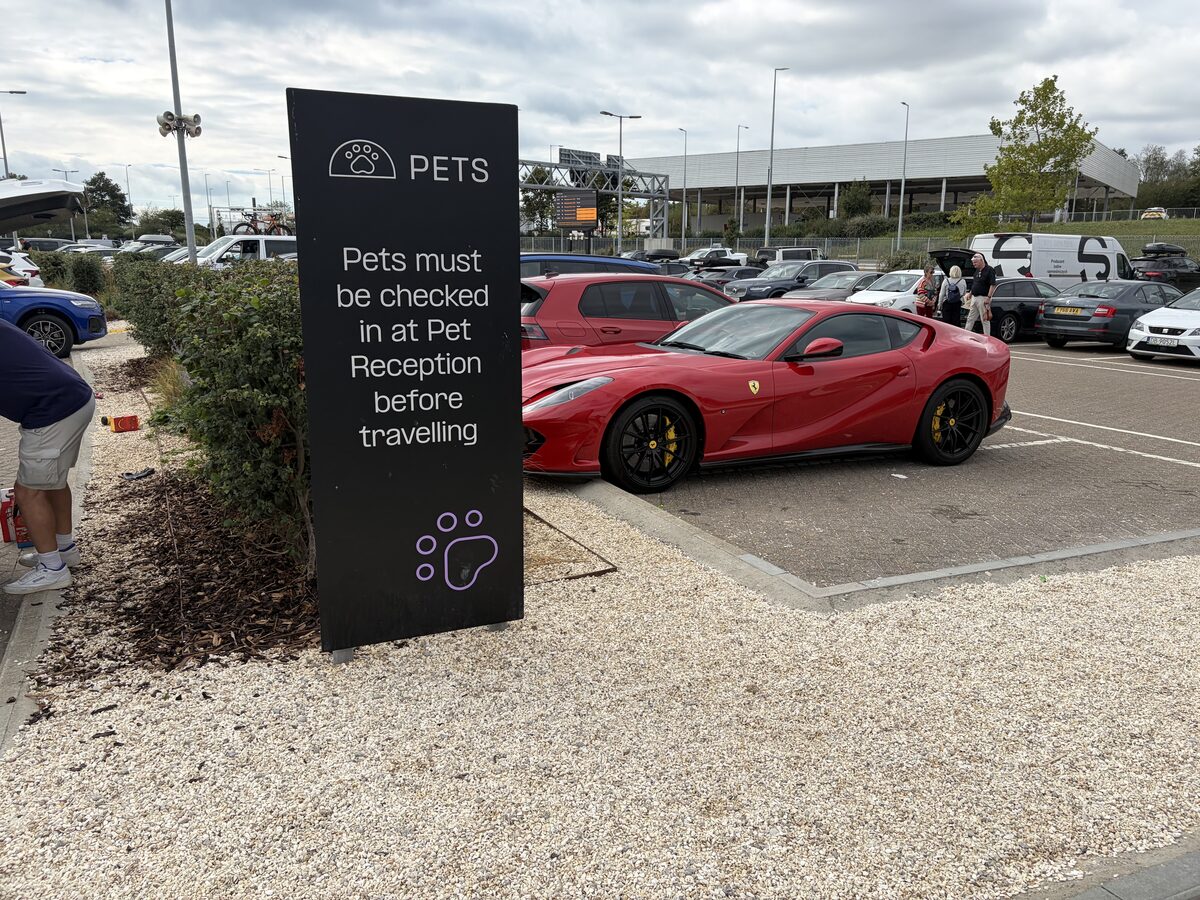
- Book your car and add your pets to the booking.
- On arrival, follow the signs to the Pet Reception building.
- Staff scan your pet’s microchip and check the documents.
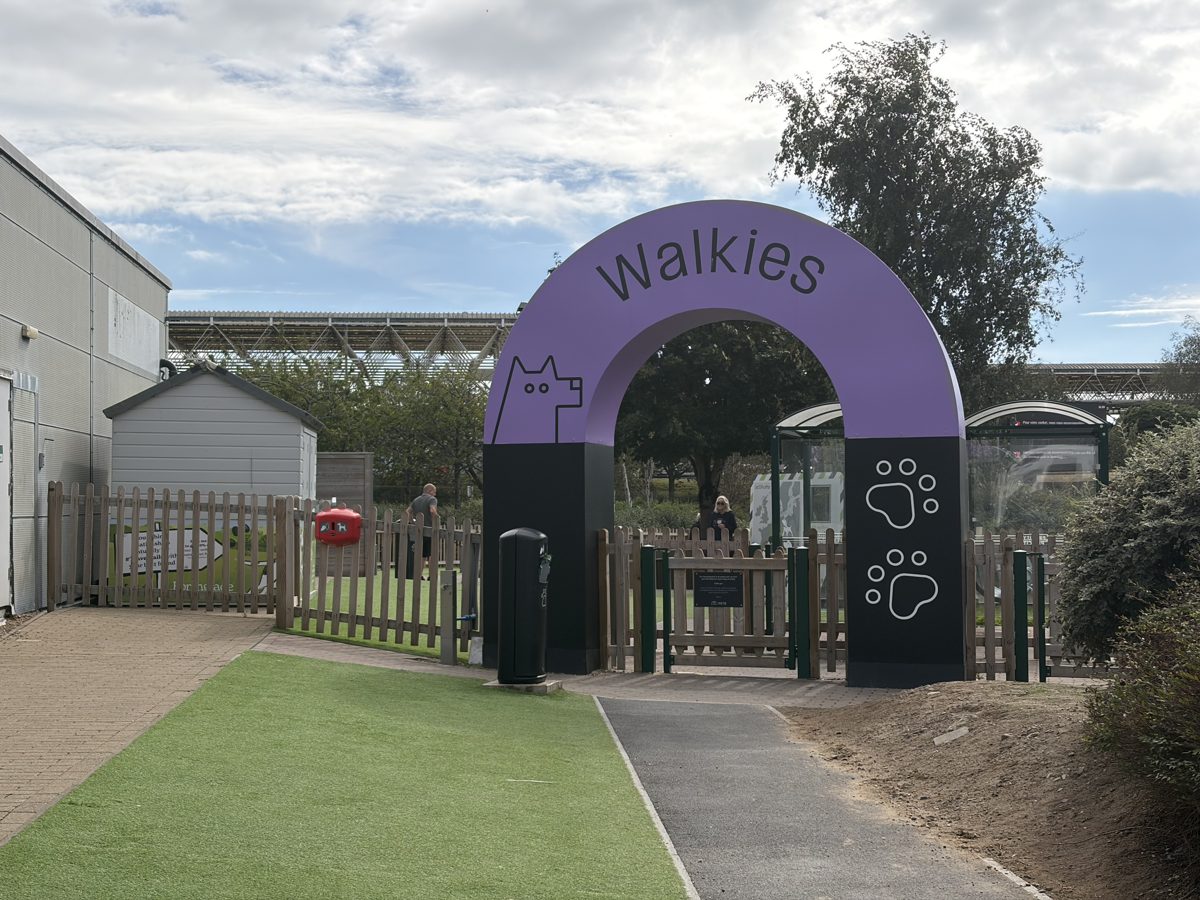
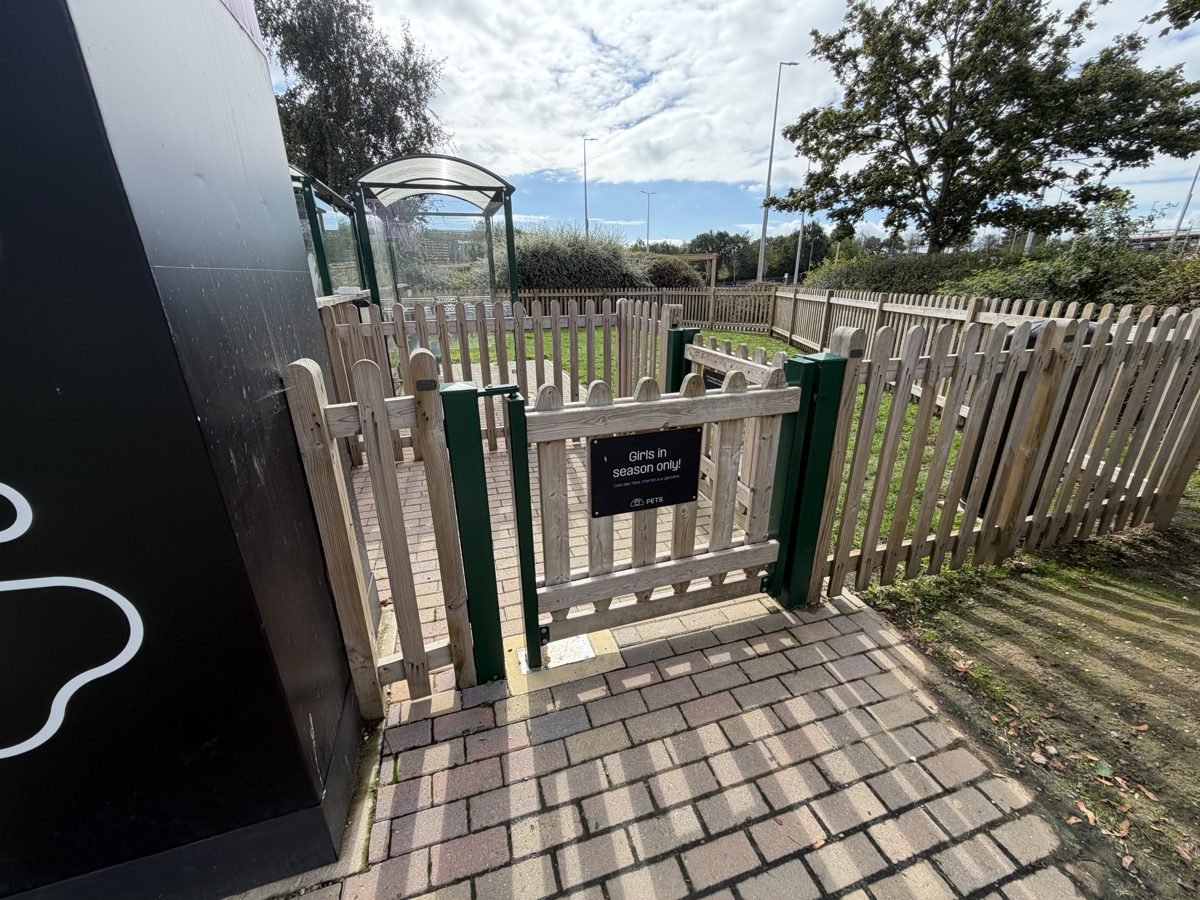
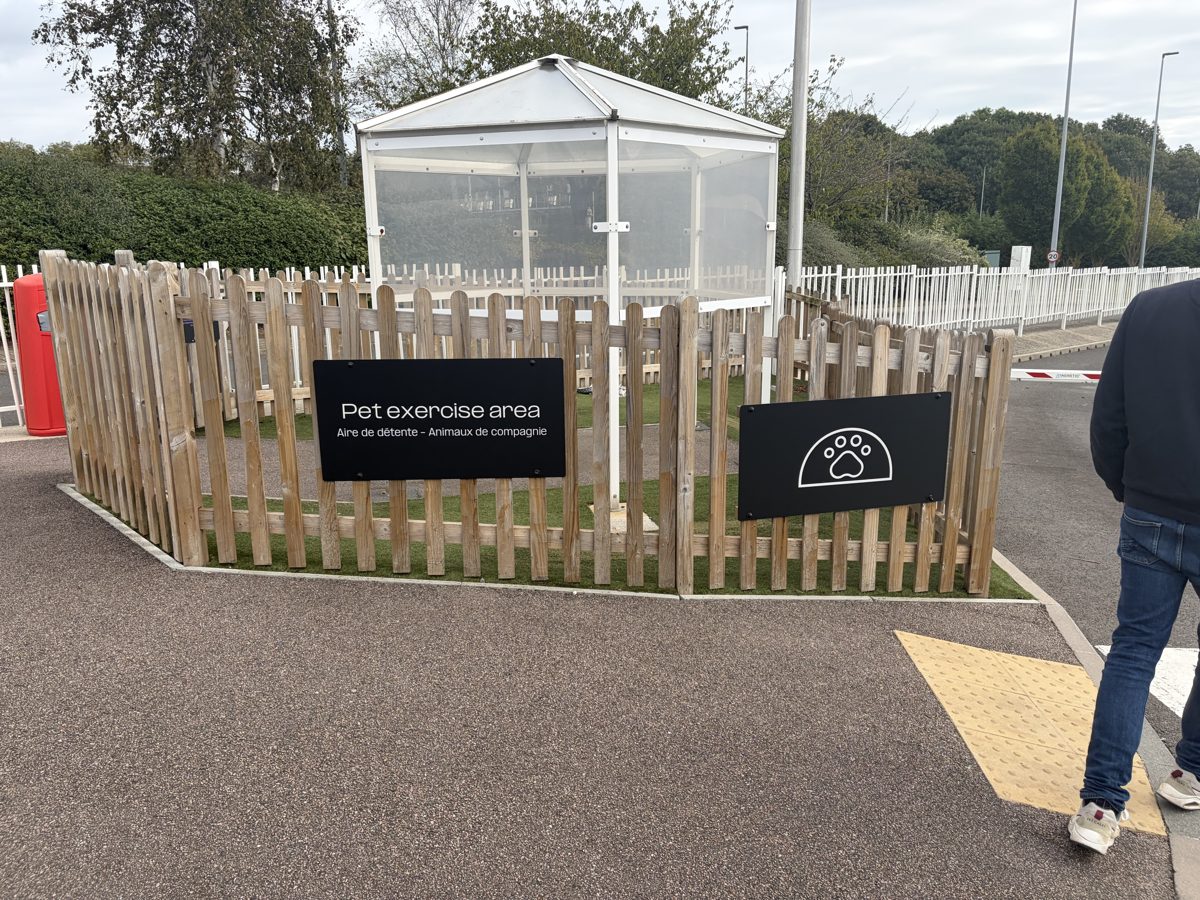
- Use the pet exercise area before you board if you like.
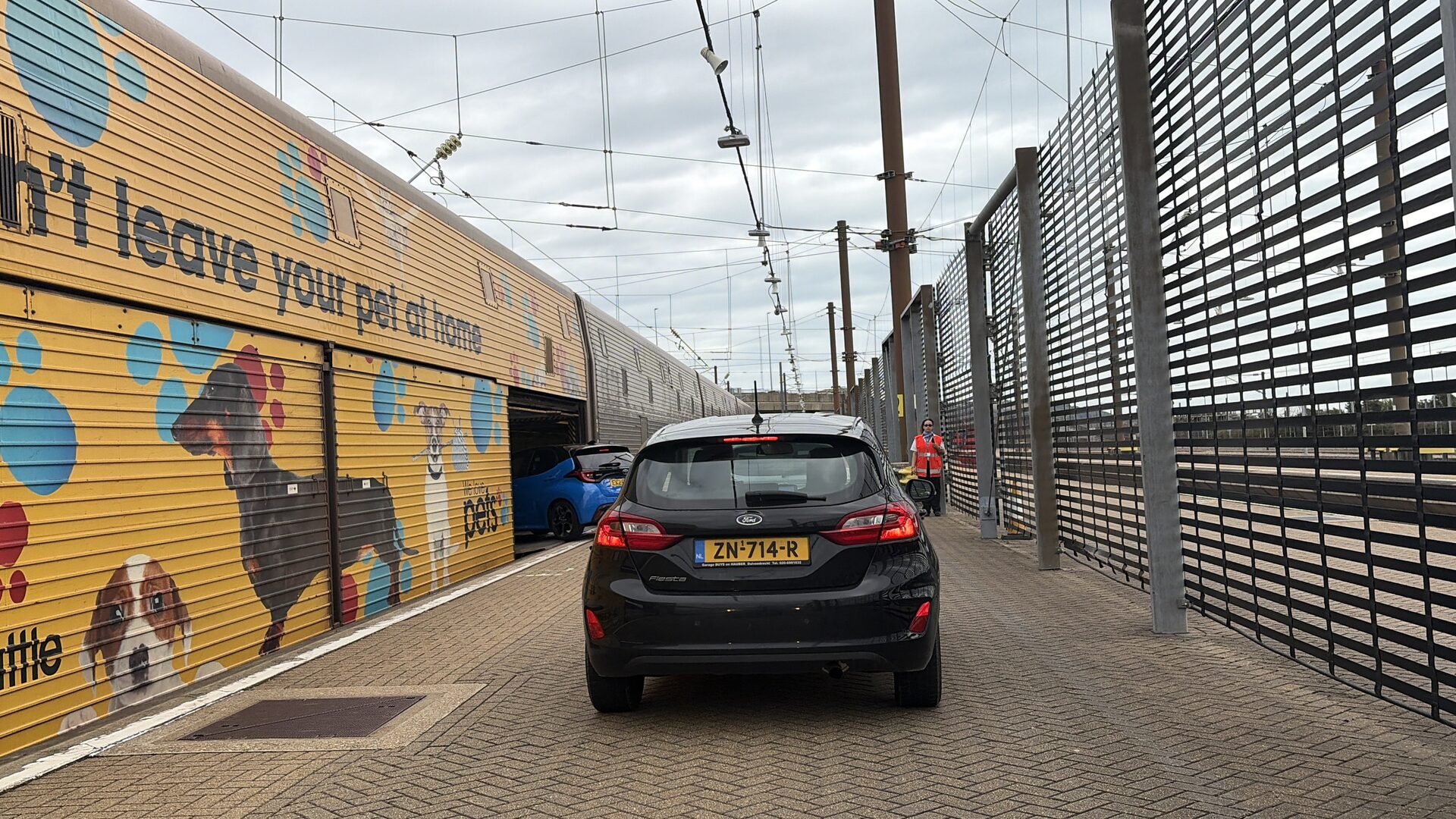
- Your pet stays in the car with you for the 35-minute crossing to Calais.
Why the Eurotunnel is better than the ferry for dogs
For most owners the tunnel is the easier, calmer option for a dog. Your dog stays with you in the car the whole time, the crossing is just 35 minutes rather than 90 or more, and there is a pet exercise area at the terminal. On many ferries a pet has to stay in the vehicle on a lower deck or in a kennel during the sailing, away from you. For a full comparison of the two crossings, see our Channel Tunnel or ferry guide.
Which pets can travel on the Eurotunnel?
Dogs, cats and ferrets can all travel on Eurotunnel LeShuttle under the same basic requirements: microchip, rabies vaccination and an Animal Health Certificate, with tapeworm treatment for dogs on the UK return. Assistance dogs are welcome and get extra support at the terminal. Whatever pet you bring, it stays in the car with you throughout the crossing.
Travelling Flexiplus with a pet
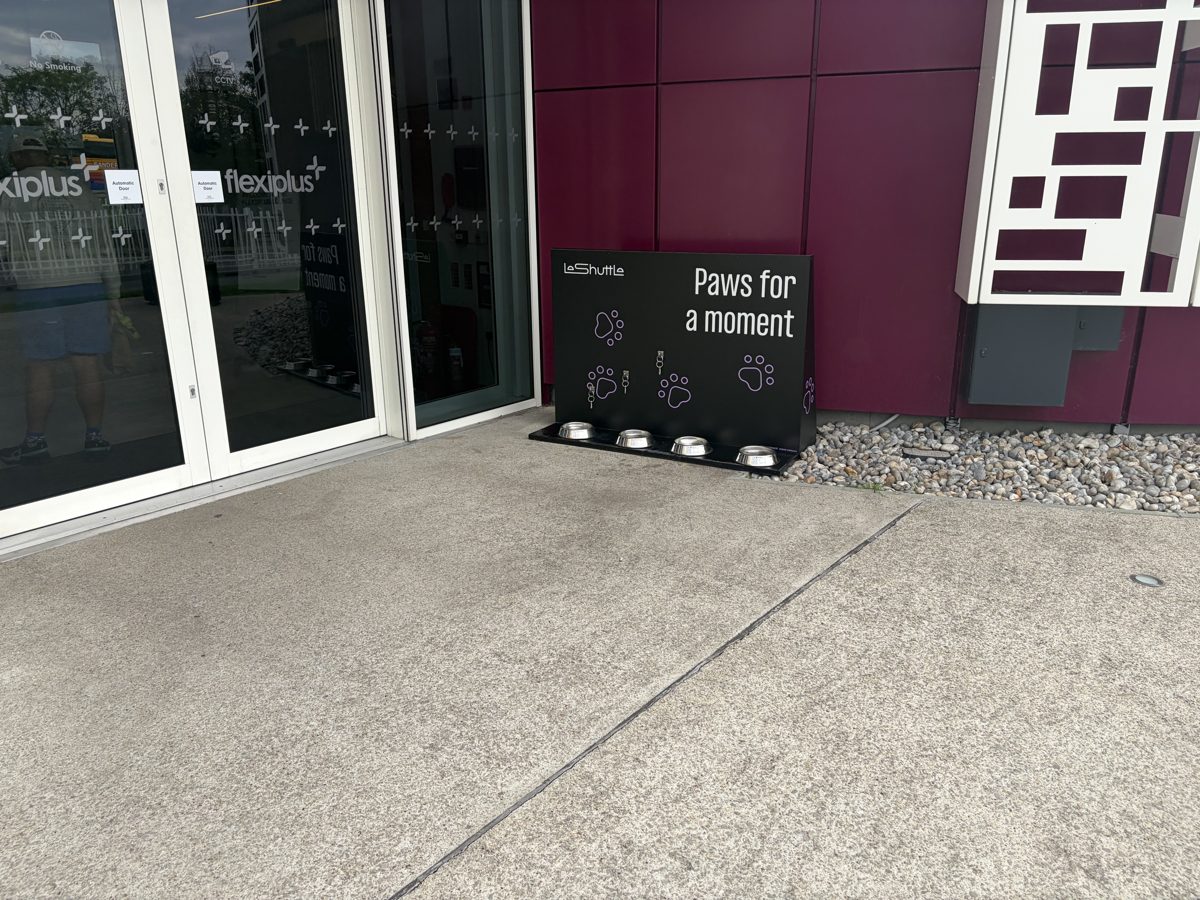
If you book a Flexiplus ticket, your pet still checks in at Pet Reception first. After that you use the Flexiplus lounge, which has its own small fenced exercise area and water bowls by the entrance, so you do not need to walk back to the main terminal.
Frequently asked questions
Can you take a dog on the Eurotunnel?
Yes. Your dog travels in the car with you for the 35-minute crossing on LeShuttle, after a quick pet check-in at Folkestone. There are no kennels and your dog is never left alone.
What documents does my pet need to travel to France?
A microchip, a valid rabies vaccination given after the chip, and an Animal Health Certificate issued by an official vet no more than 10 days before you arrive in the EU. Dogs also need tapeworm treatment before returning to the UK.
Do pets stay in the car during the crossing?
Yes. Your dog or cat stays in the car with you for the whole 35-minute journey. You are not separated from your pet at any point.
How does pet check-in work at Folkestone?
Follow the signs to the dedicated Pet Reception, where staff scan the microchip and check your documents. There is a pet exercise area to use before you board. Allow a little extra time for this step.
Is the GB pet passport still valid?
No. Pet passports issued in Great Britain are no longer valid for travel to the EU after Brexit. You now need an Animal Health Certificate for each trip instead.
How much does it cost to take a pet on the Eurotunnel?
There is a per-pet charge added to your car booking, on top of the vet costs for the microchip, rabies vaccination, Animal Health Certificate and tapeworm treatment.
Related guides on chunnel.co.uk
Travelling with a vehicle? See our Channel Tunnel by car guide for how the crossing works and what it costs. Comparing your options? Read Channel Tunnel or ferry. And for every fare, see Eurotunnel tickets and prices.
Taking your dog, cat or ferret through the Channel Tunnel is straightforward once the paperwork is in order: a microchip, a valid rabies vaccination and an Animal Health Certificate, plus tapeworm treatment for dogs on the way back. Your pet stays with you in the car for the 35-minute crossing on Eurotunnel LeShuttle, with a quick stop at Pet Reception in Folkestone first. Use the price checker above to book your car and add your pets.