
England → France · open since 1994
The Chunnel:
Channel Tunnel
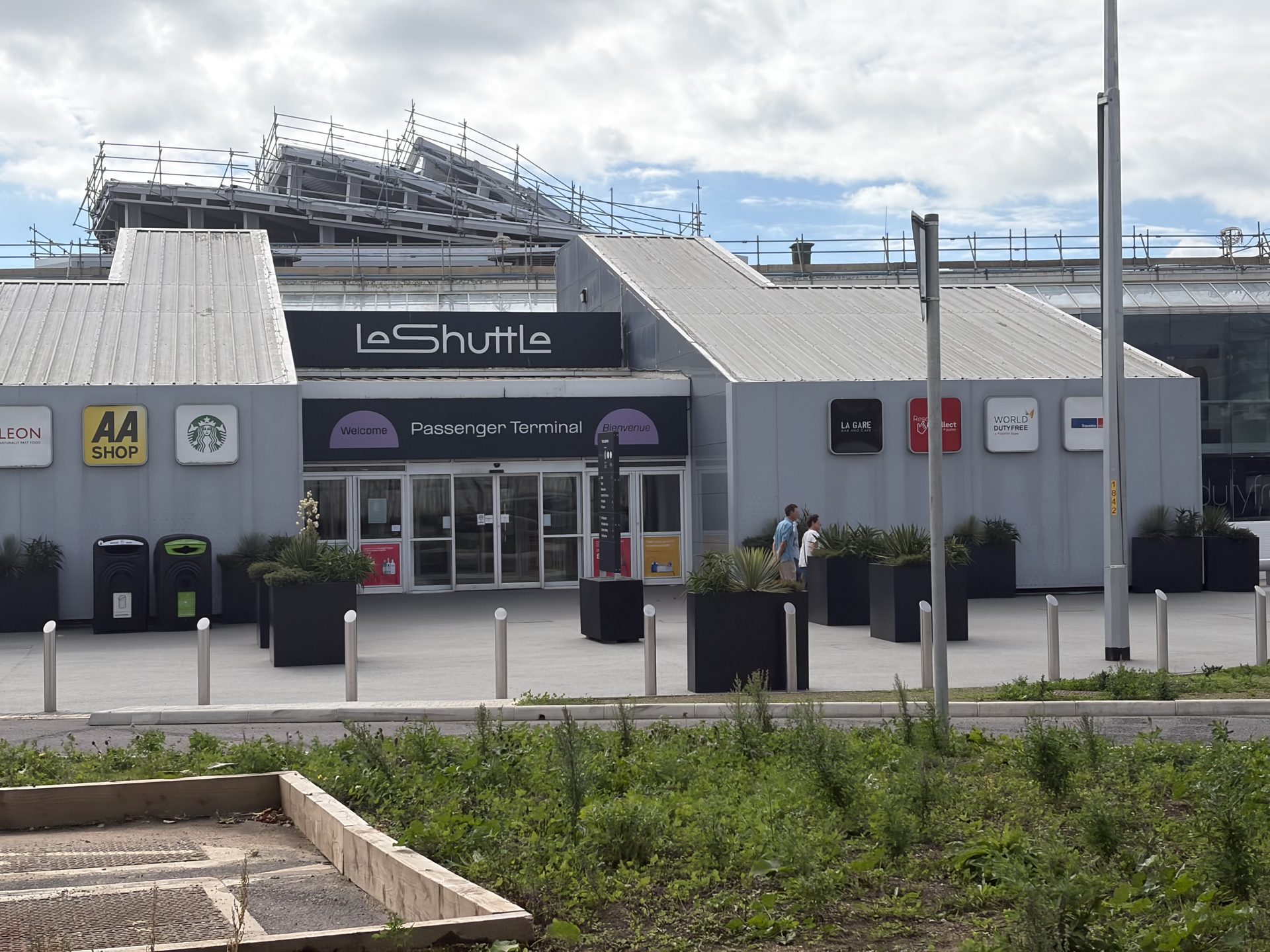
The Channel Tunnel, also known as the Chunnel, is a 50.45 km railway tunnel running beneath the English Channel. LeShuttle carries cars, motorhomes and coaches from Folkestone to Calais in 35 minutes. Eurostar carries foot passengers from London to Paris in 2h 20. There is no road through it: you and your vehicle travel by train.
Figures published by the operator. chunnel.co.uk is an independent guide.
Departure times →Fares for your dates
Chunnel fares: what will your Channel Tunnel crossing cost?
Enter your dates and vehicle to compare every LeShuttle and ferry fare for that crossing.
From £59 per vehicle, each way, for a 1 or 2 day trip. Standard tickets from £124.
How fares workThree ways across
Eurotunnel, LeShuttle or Eurostar: which do you need?
Almost every question about the Channel Tunnel comes down to this. Two different train services run through the same tunnel, and they are not interchangeable. Whether you are bringing a vehicle decides for you.
| Service | You travel | Route | Time | From |
|---|---|---|---|---|
| LeShuttle | In your own vehicle, on the train | Folkestone → Calais | 35 min | from £59 (1 to 2 day trip), Standard £124 |
| Eurostar | On foot, in a seat | London → Paris | 2h 20 | per person |
| Ferry | In your vehicle, on a ship | Dover → Calais | 90 min | per vehicle |
The ferry does not use the tunnel, but it is the direct alternative for the same journey and is often cheaper on quiet sailings. LeShuttle fares cover the vehicle and up to nine people.
On the day
How the Channel Tunnel crossing works
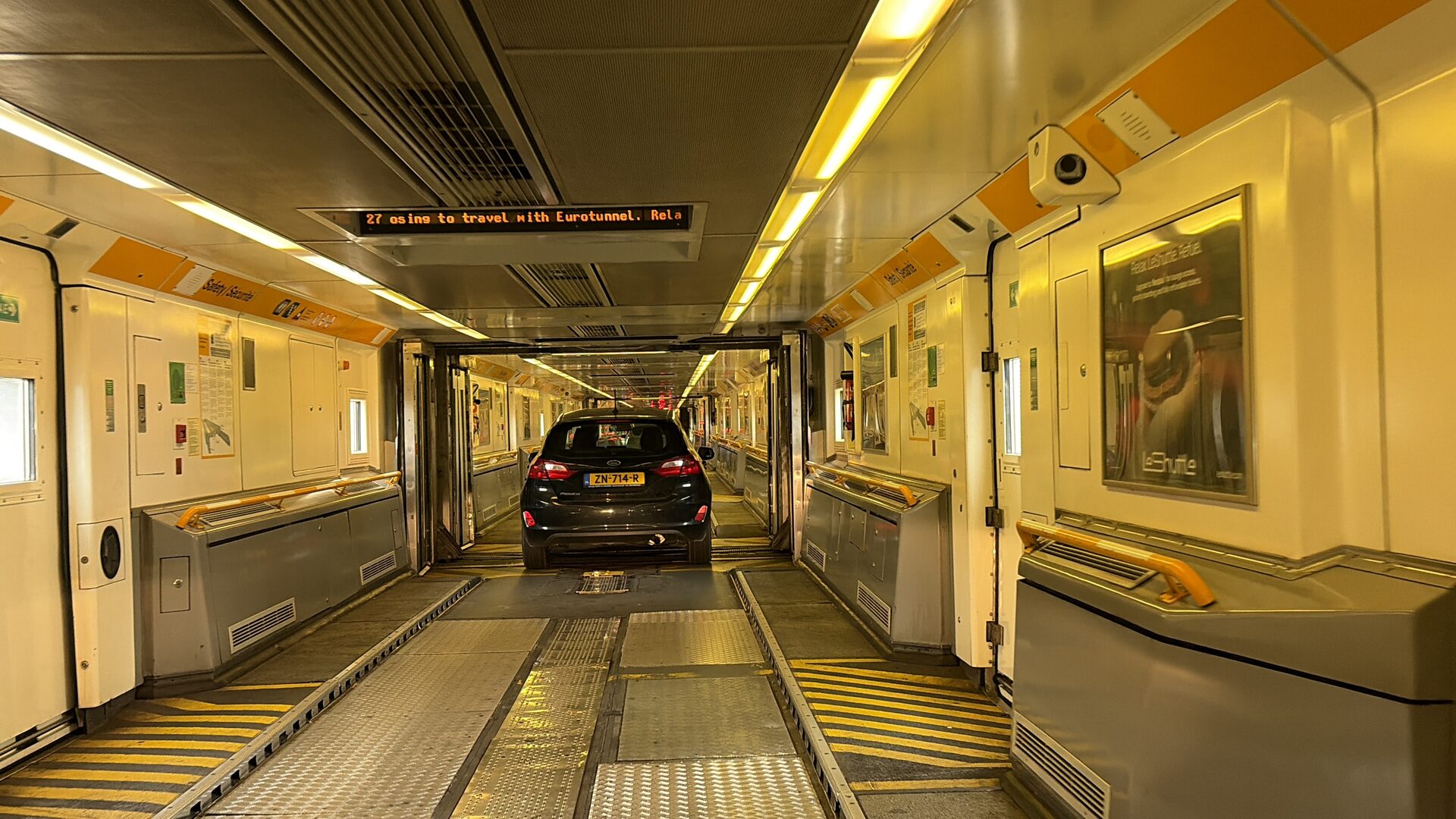
If you have never done it, the format is genuinely unusual: you drive into a carriage, switch off the engine, and stay with your car for the whole crossing. There is no passport queue on the far side, because both sets of border checks happen in Folkestone before you board.
-
Arrive and check in
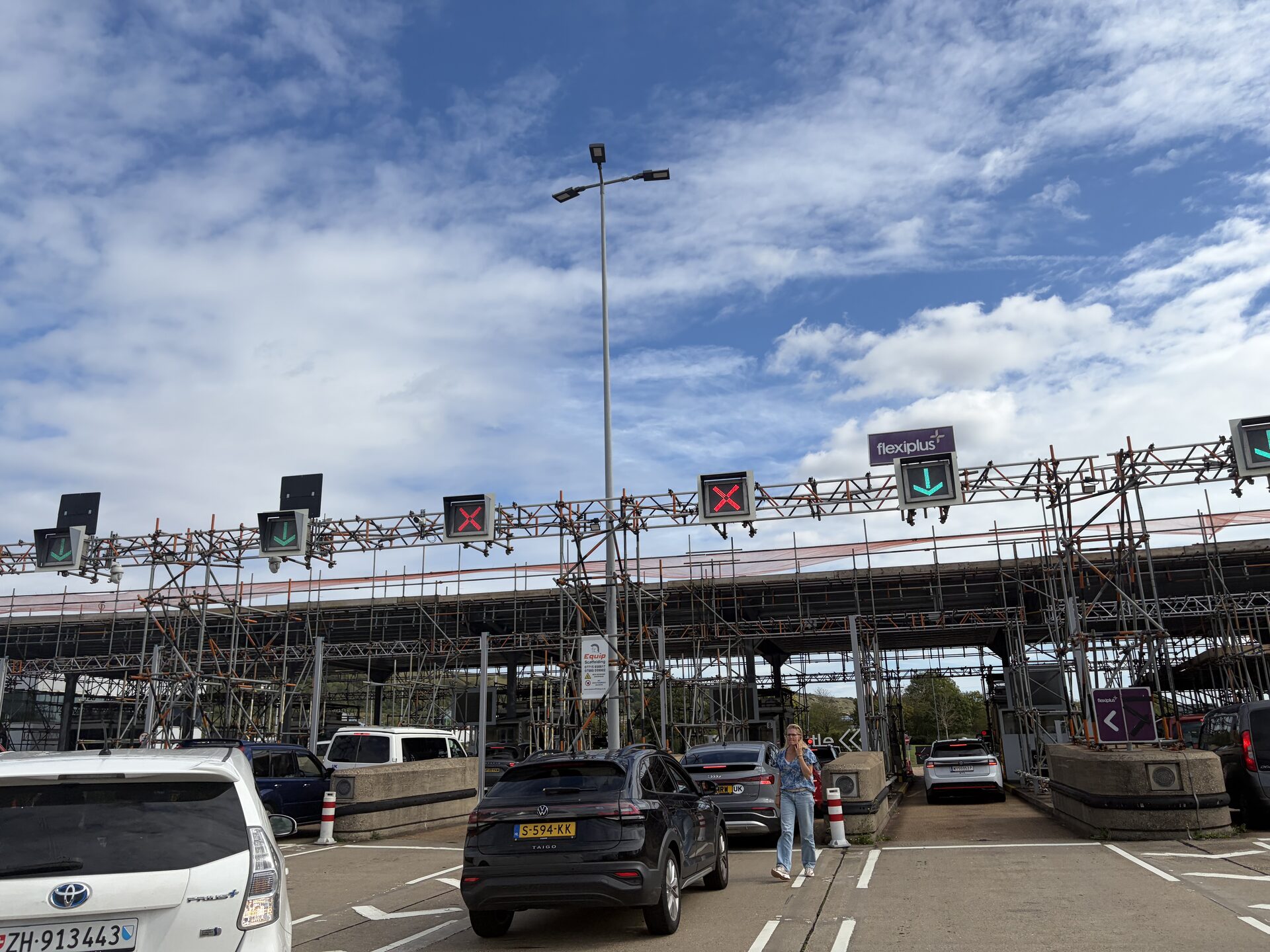
Your number plate is read automatically at the barrier. LeShuttle asks you to check in no later than one hour before your booked departure, and on busy summer weekends it pays to arrive earlier still.
-
Clear both borders
UK and French officers sit side by side at Folkestone. You clear France before you leave England, which is why arrival in Calais takes minutes.
-
Drive onto the train
Follow the lane markings into the carriage, apply the handbrake, and switch off. You can stay in the car or stretch your legs in the carriage.
-
Arrive and drive off
Thirty-five minutes later the doors open onto the Calais motorway network. Remember to drive on the right.
Bringing a vehicle
What you can take through
LeShuttle prices by vehicle, not by passenger, and the rules change with length and height. Pick your vehicle for the measurements, the fare and what to expect at check-in.
 Car from £59
£59 for a 1 or 2 day trip, Standard from £124. Up to nine people included. Roof boxes and bike racks need declaring.
Car from £59
£59 for a 1 or 2 day trip, Standard from £124. Up to nine people included. Roof boxes and bike racks need declaring.
 Motorcycle from about £30
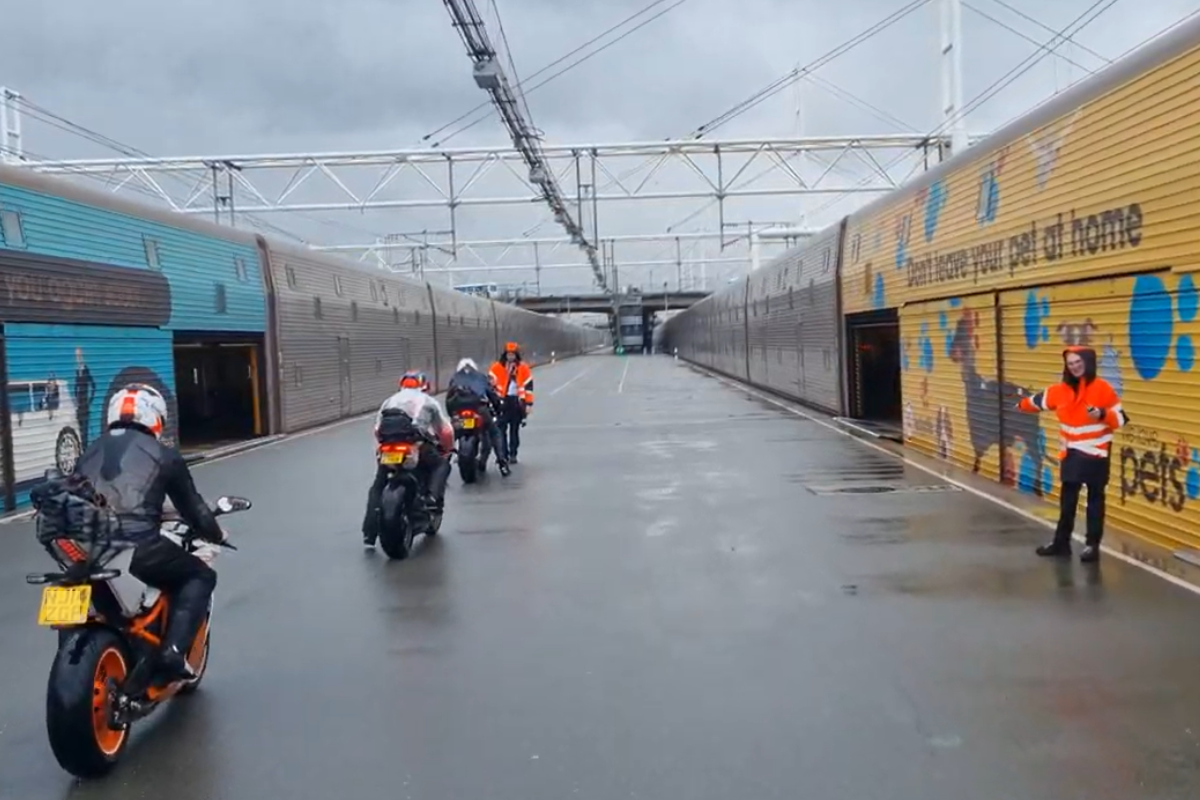
Ride on and stay with your bike for the crossing.
Motorcycle from about £30
Ride on and stay with your bike for the crossing.
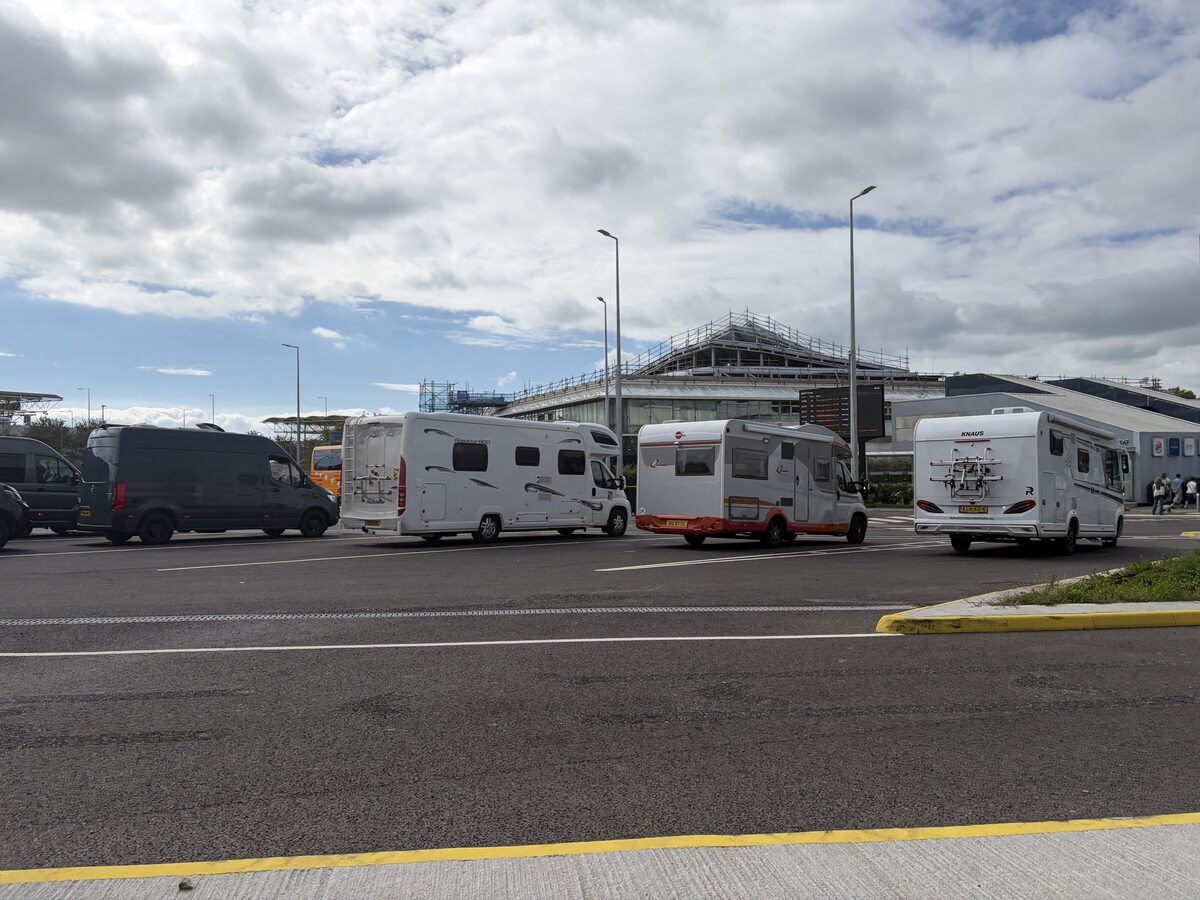 Motorhome
Priced by length. Gas cylinders must be closed and are checked before boarding.
Motorhome
Priced by length. Gas cylinders must be closed and are checked before boarding.
 Caravan
Measured as car plus trailer. Declare the full combined length when booking.
Caravan
Measured as car plus trailer. Declare the full combined length when booking.
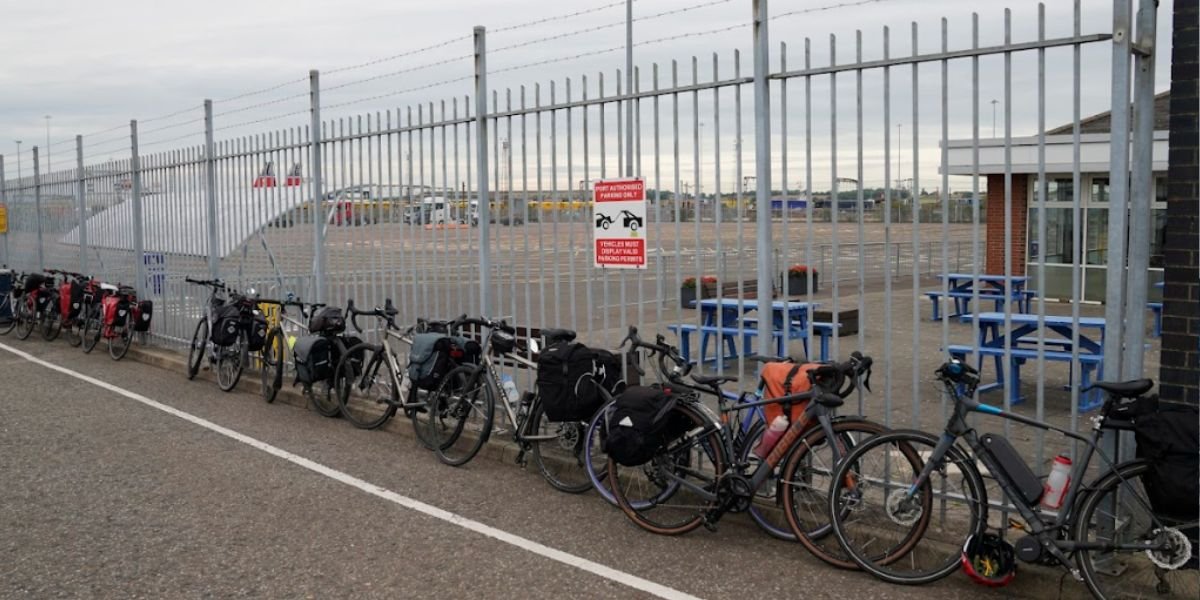 Bicycle
Carried on a rack or in a dedicated service. You cannot cycle through the tunnel.
Bicycle
Carried on a rack or in a dedicated service. You cannot cycle through the tunnel.
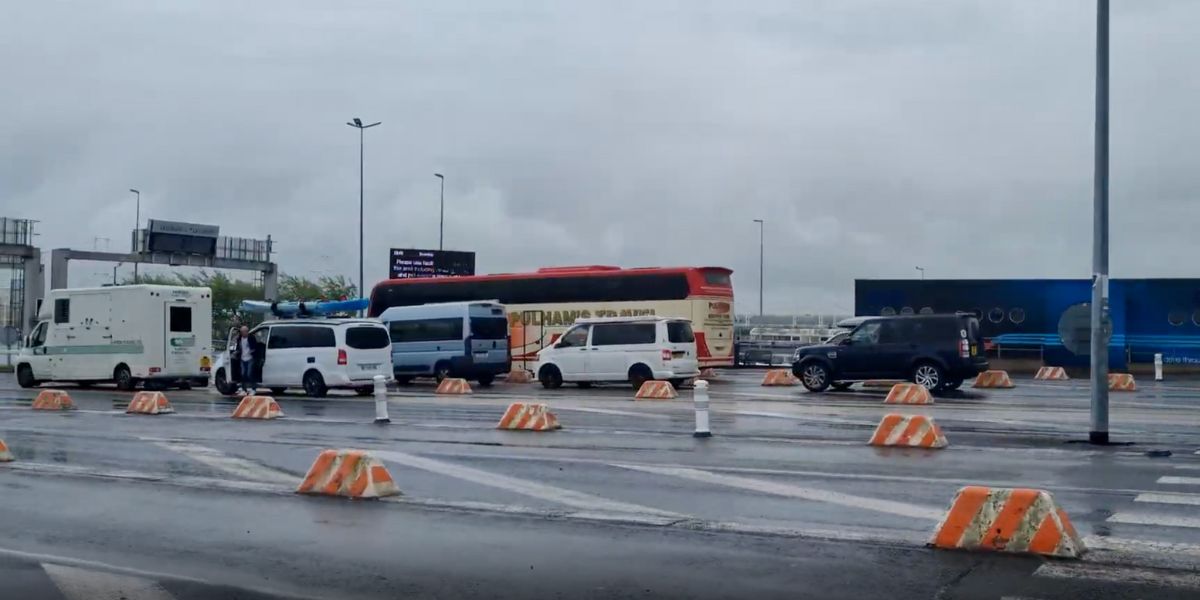 Coach
Group bookings with their own check-in lane and boarding procedure.
Coach
Group bookings with their own check-in lane and boarding procedure.
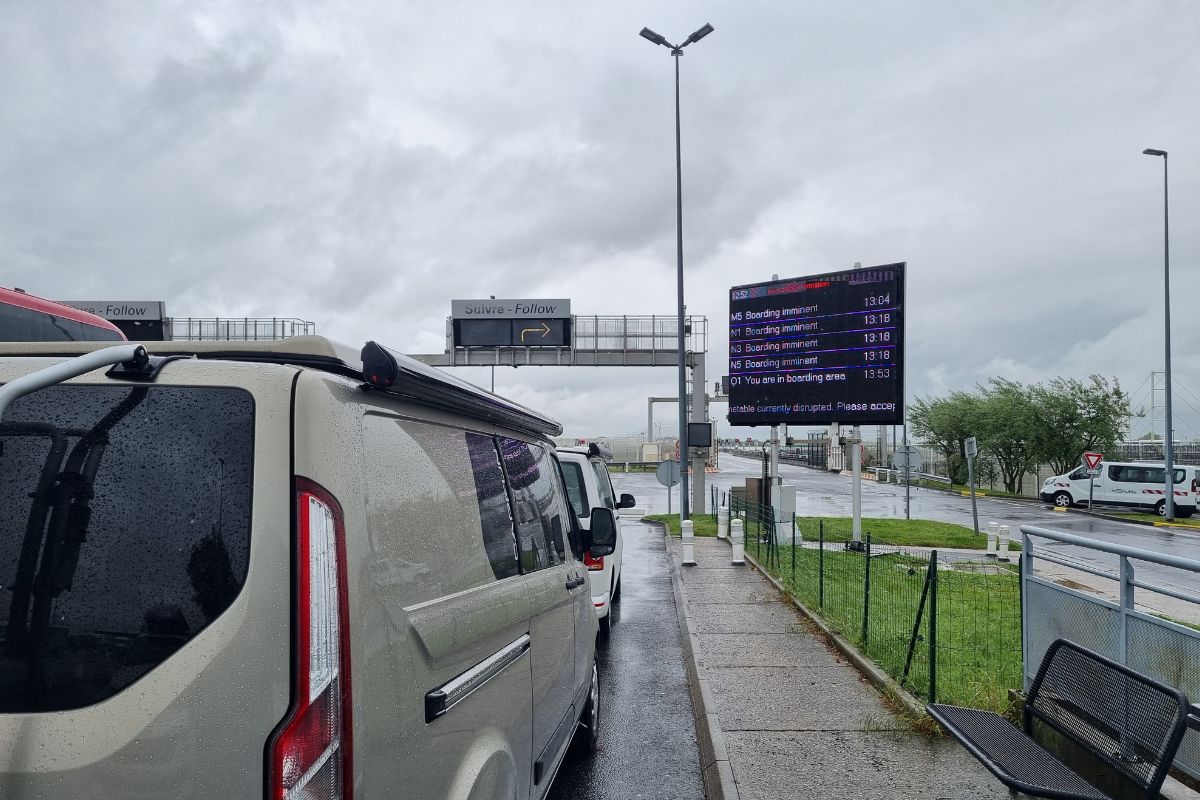 Freight
Separate terminal, separate shuttles, running around the clock.
Freight
Separate terminal, separate shuttles, running around the clock.
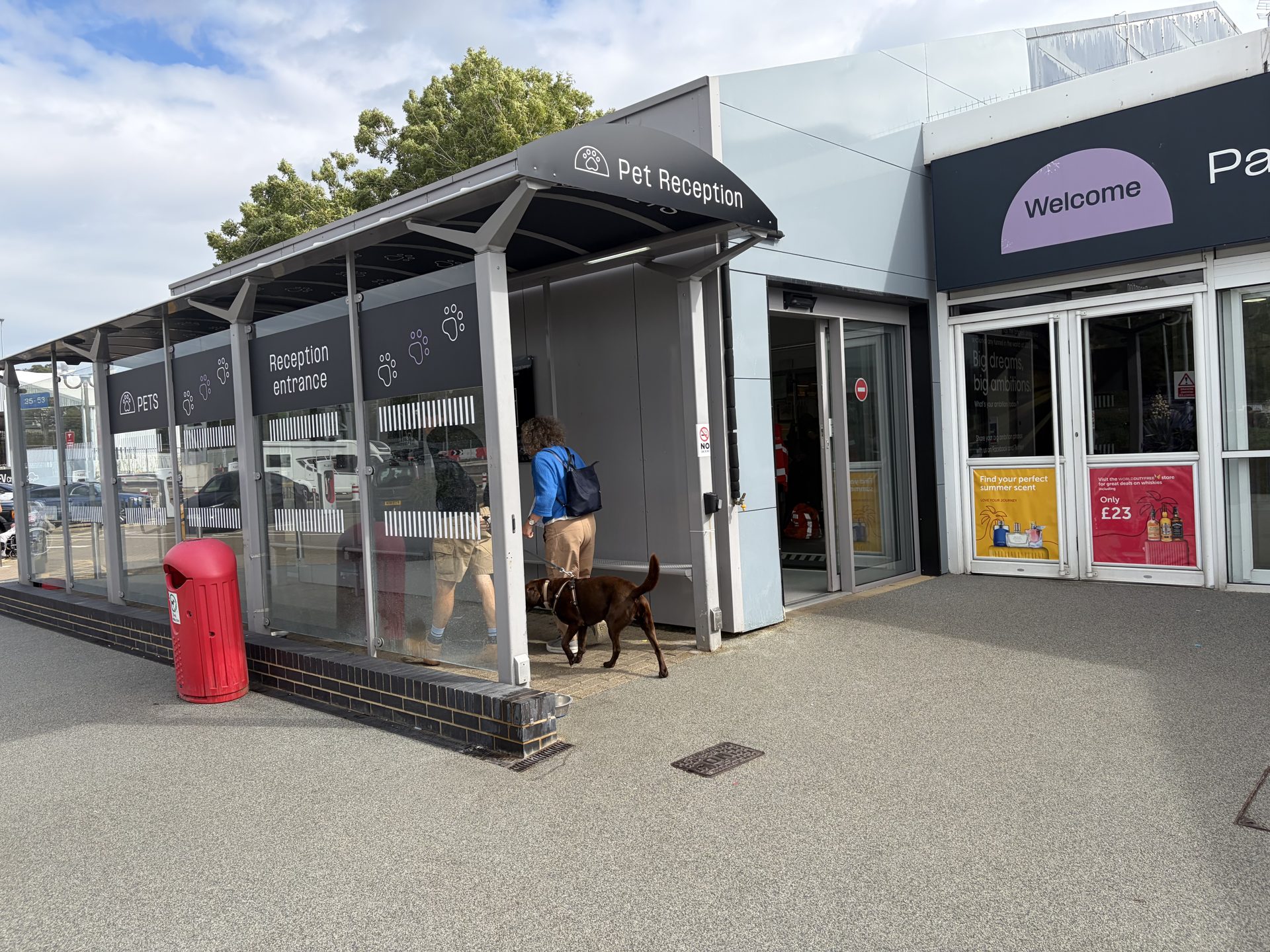 Pets
Dogs and cats stay in the vehicle. An animal health certificate is required.
Pets
Dogs and cats stay in the vehicle. An animal health certificate is required.
Once you are through
Where the Channel Tunnel gets you
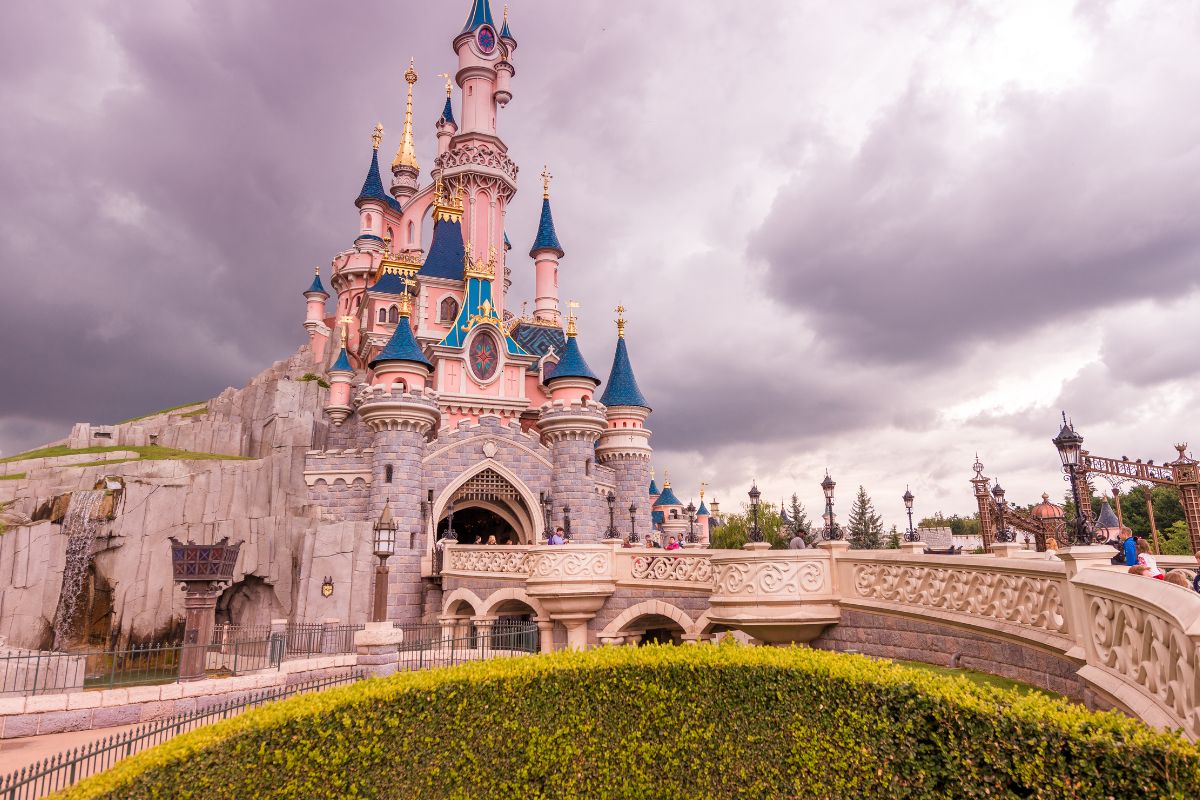
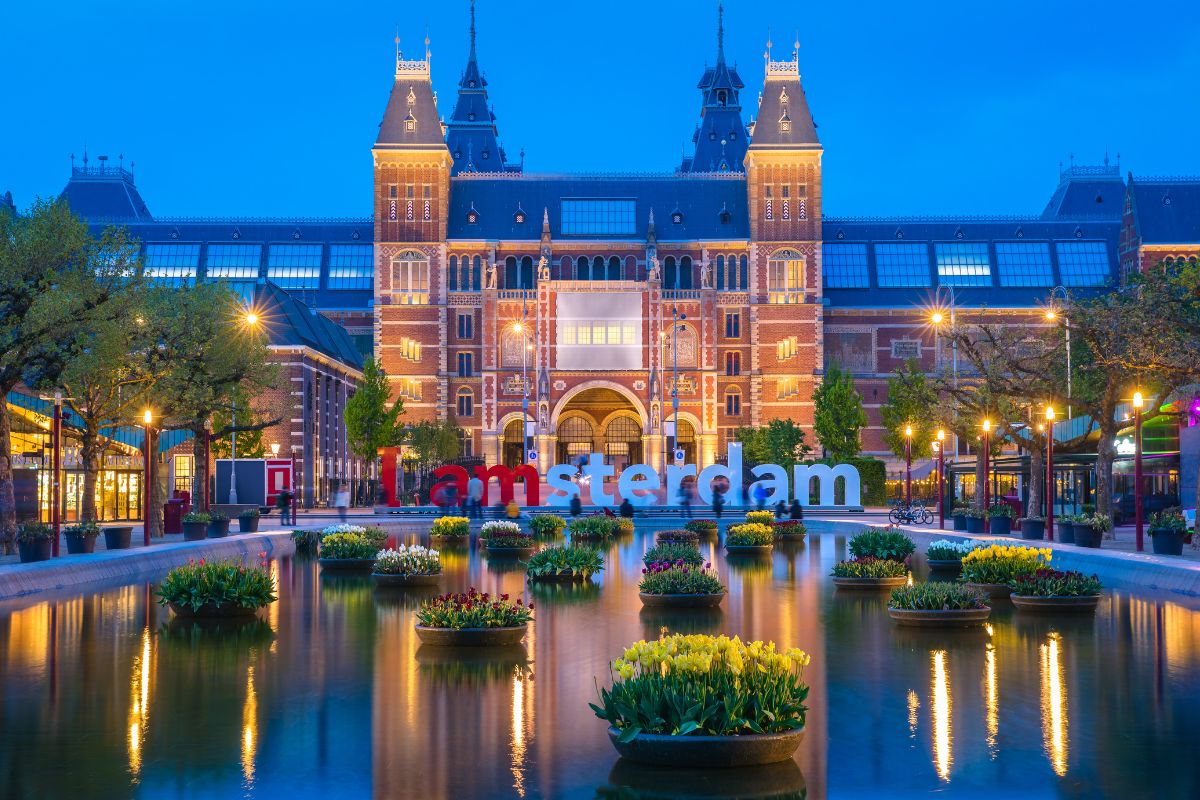
Calais sits on the A16, which puts a surprising amount of Europe within an afternoon’s drive. Times below are from the Calais terminal in normal traffic.


Before you travel
Before you travel through the Channel Tunnel
A valid passport is required. Since Brexit there are limits on what food you can carry into the EU: meat and dairy are not allowed.
Travelling with petsMicrochip, rabies vaccination and an animal health certificate. Book the pet on separately.
Luggage and fuelNo weight limit for cars. Spare fuel only in approved cans, and gas must be shut off.
Safety in the tunnelA third service tunnel runs between the two rail tunnels, with cross-passages every 375 metres.
Tunnel statusDisruption is rare but does happen. Check before you set off on a busy weekend.
Paying lessEarly morning and late evening slots are consistently the cheapest. Booking ahead matters more than any code.
The structure
About the Channel Tunnel: the route and both terminals
Three parallel tunnels were bored through the chalk marl beneath the seabed: two running tunnels carrying trains in each direction, and a smaller service tunnel between them used for maintenance and evacuation. The undersea section is still the longest of any tunnel in the world.
It opened on 6 May 1994 after six years of construction. Since then it has carried nearly 500 million people and 100 million vehicles. From London, the M20 takes you straight to the Folkestone terminal at junction 11A; on the French side the train drops you on the A16 at Coquelles, with the A26 towards Paris a few minutes away.
- Total length
- 50.45 km
- Undersea section
- 37.9 km
- Depth below seabed
- 75 m
- Number of tunnels
- 3
- Opened
- 6 May 1994
- Shuttle speed
- 140 km/h
- Cross-passages
- every 375 m
- Terminals
- Folkestone & Calais
Common questions
Channel Tunnel questions, answered plainly
Can you drive through the Channel Tunnel?
No. There is no road through the tunnel. You drive your vehicle onto a LeShuttle train at Folkestone, stay with it for the 35-minute crossing, and drive off at Calais. The effect is the same as driving through, but a train does the moving.
How long does the Channel Tunnel crossing take?
Thirty-five minutes from terminal to terminal on LeShuttle. Allow around two hours in total, since check-in closes one hour before departure and border control and boarding come on top of the crossing itself. Eurostar takes 2h 20 from London St Pancras to Paris Gare du Nord.
What does it cost to take a car through?
Fares start from £59 per vehicle, each way, but only on a Day Trip and Overnight ticket, when you come back within 1 or 2 days (travel until 30 November 2026). For a single journey or a longer stay, a Standard ticket starts from £124 each way, and that is closer to what most people see in the booking module. The fare covers the car and up to nine people. What you actually pay depends on how far ahead you book and which time slot you choose; the same crossing can cost three times as much on a peak summer afternoon. See how the fares work.
Is the Channel Tunnel the same as Eurotunnel and LeShuttle?
They are related but not identical. The Channel Tunnel is the structure. Eurotunnel, now Getlink, is the company that owns and operates it. LeShuttle is the vehicle-carrying train service, and was previously branded Eurotunnel Le Shuttle.
How deep under the sea is it?
The tunnel sits roughly 75 metres below the seabed at its deepest point, which is about 115 metres below sea level. It was bored through a layer of chalk marl chosen because it is watertight and easy to tunnel through.
Tunnel or ferry: which is better?
The tunnel is faster and unaffected by rough weather; the ferry is often cheaper and gives you 90 minutes out of the car. For a day trip the tunnel usually wins on time, for a family with young children the ferry is frequently more comfortable. Full comparison.
Who we are
An independent guide, not the operator
chunnel.co.uk is run independently. We are not Getlink, Eurotunnel, LeShuttle or Eurostar, and we cannot change or cancel a booking made elsewhere. What we do is explain how the crossing works in plain English and put LeShuttle and ferry fares next to each other so you can see the difference.
Bookings made through the fare comparison are handled by DirectFerries, and we may earn a commission on them. This never changes the price you pay, and it does not affect which option we show first. The results are ordered by price and time, not by what pays us. Read the full disclaimer.