chunnel.co.uk › Channel Tunnel by Car
Channel Tunnel by car: the Eurotunnel LeShuttle guide
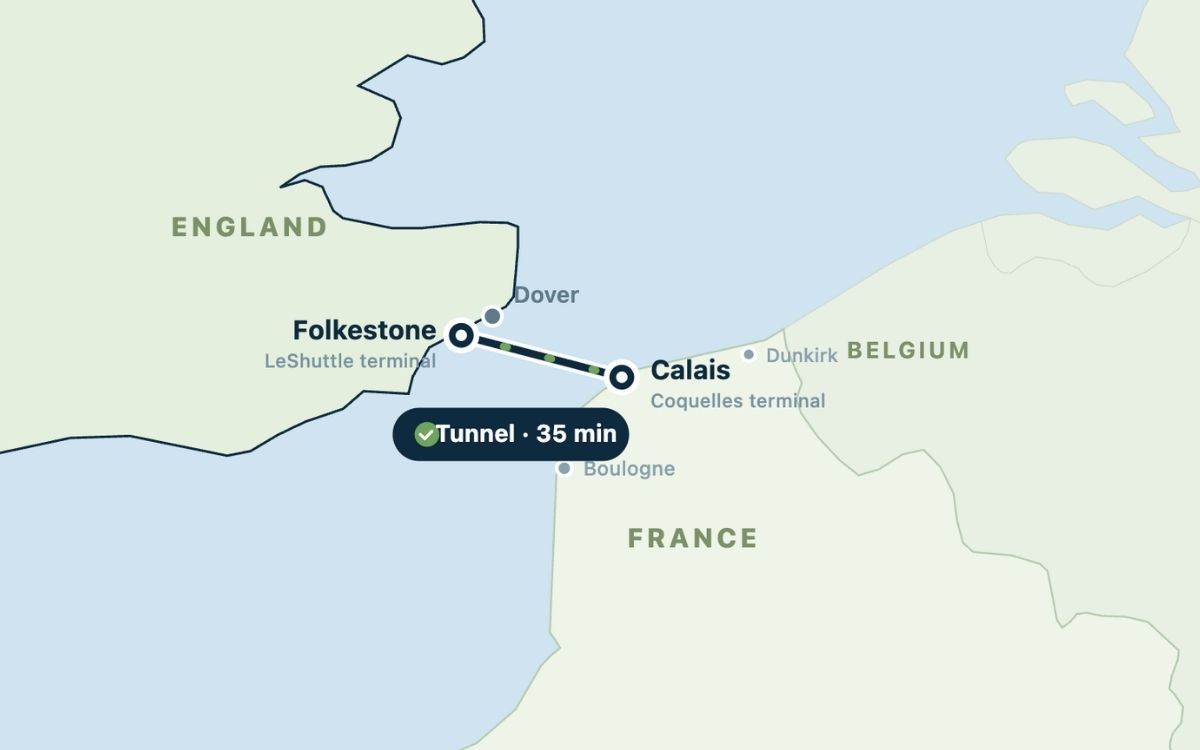
Taking your car through the Channel Tunnel on Eurotunnel LeShuttle is one of the fastest ways to reach mainland Europe. Drive onto the train at Folkestone and roll off in Calais just 35 minutes later, ready to continue your journey.
Through the Eurotunnel by car with LeShuttle
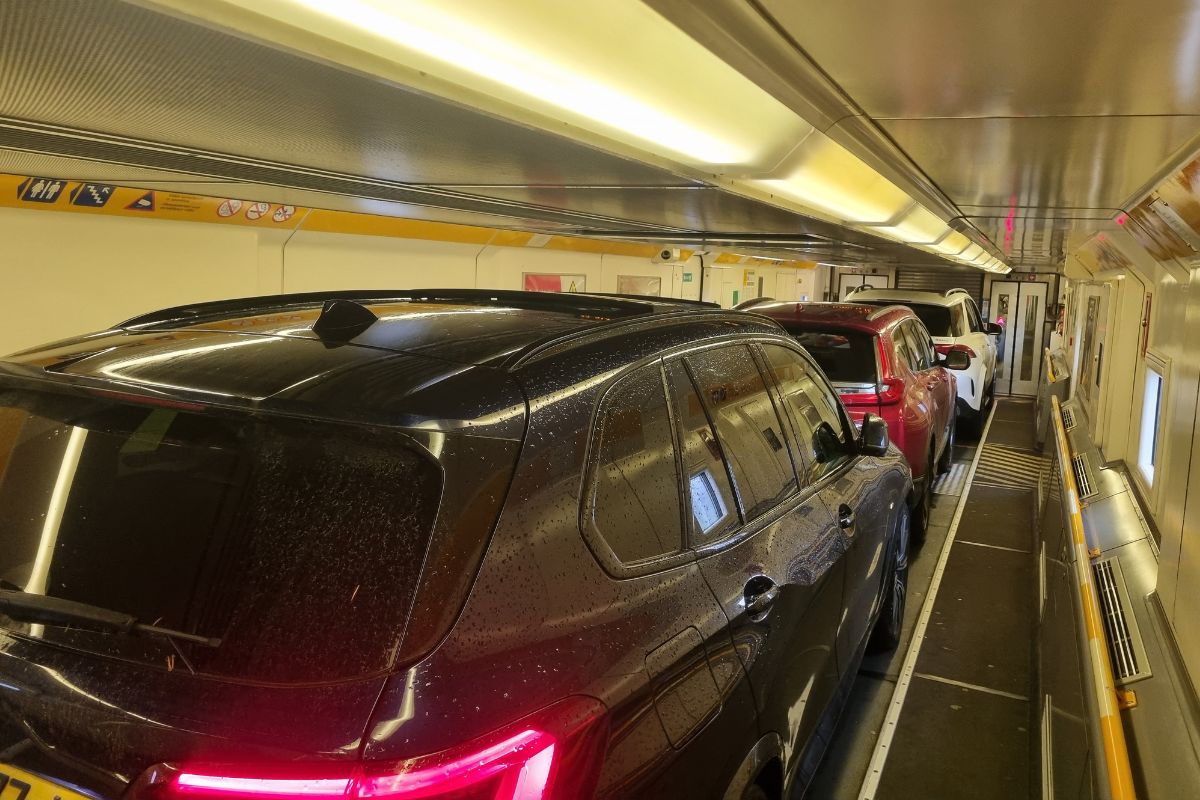
Two types of train run through the Channel Tunnel. The passenger trains are Eurostar, and the car trains are the Eurotunnel service known as LeShuttle. If you want to take your car, motorbike, motorhome or caravan across, LeShuttle is the one you need. You drive your car to the terminal at Folkestone, board through dedicated car platforms, and stay in your vehicle for the 35-minute crossing to Calais. There is no seat to book and no need to leave your car: you drive on at one end and off at the other.
Can you take a car on Eurostar?
No, you cannot take a car on Eurostar. Eurostar is a passenger-only high-speed train for foot passengers travelling city to city, such as London to Paris or Brussels, with nowhere to load a vehicle. To take your car through the Channel Tunnel you need LeShuttle, the Eurotunnel car train, from Folkestone to Calais: you drive on with your car and stay with it during the crossing. So if you have been searching for “Eurostar with a car” or “a car on Eurostar”, LeShuttle is the service you actually need. See our Eurostar guide if you are travelling as a foot passenger.
Book your Eurotunnel car crossing
Use the price checker below to compare live Eurotunnel car fares from Folkestone to Calais and book your Channel Tunnel crossing in a couple of minutes. Fares are per vehicle and cover up to nine people, so you book the whole car rather than each passenger.

What does the Eurotunnel cost with a car?
The cost of taking your car through the Eurotunnel varies by ticket type, date and demand, and booking early usually gives the best price. The table below shows the official LeShuttle indicative “from” prices for 2026, per car, each way.
| Ticket type | From price | Conditions |
|---|---|---|
| Day Trip & Overnight | £59 | Cheapest fare. Return within 1 to 2 days. |
| Short Stay Saver | £98 | Return within 5 days. Limited flexibility. |
| Standard | £124 | Single or return, no time limit. |
| Standard Plus | £154 | Up to 4 hours flexibility, refundable option. |
| Short Stay Flexiplus | £224 | Return within 5 days, full flexibility. |
| Flexiplus | £284 | Full flexibility, priority check-in and lounge. |
From-prices as advertised by LeShuttle, checked October 2026. Short-stay fares only apply if you return within the stated number of days. Prices are official LeShuttle indicative “from” fares for 2026, per car each way, up to nine people. The exact fare depends on your date, time and vehicle. For the full breakdown, see our Eurotunnel tickets and prices guide, or find the lowest fares on our cheap tickets page.
How the Channel Tunnel car train works
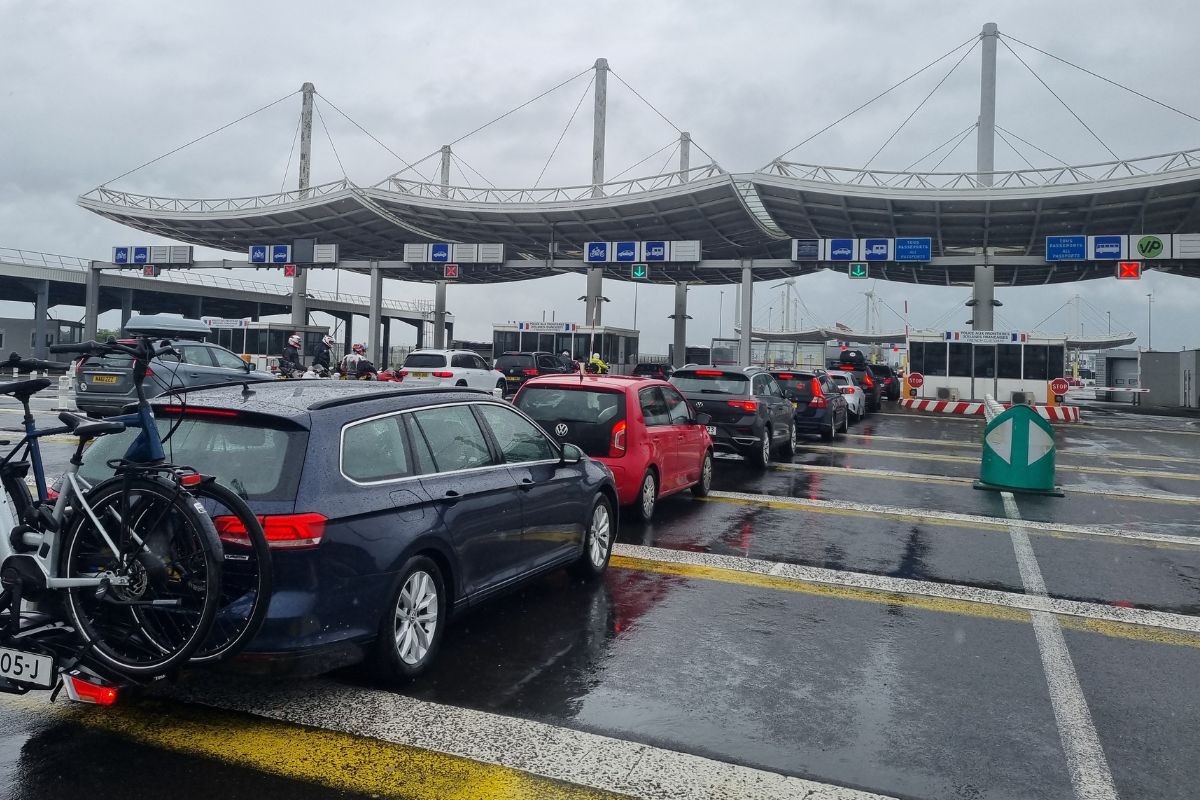
The Folkestone terminal is well signposted and the process is straightforward. Here is what to expect from arrival to driving off in France.
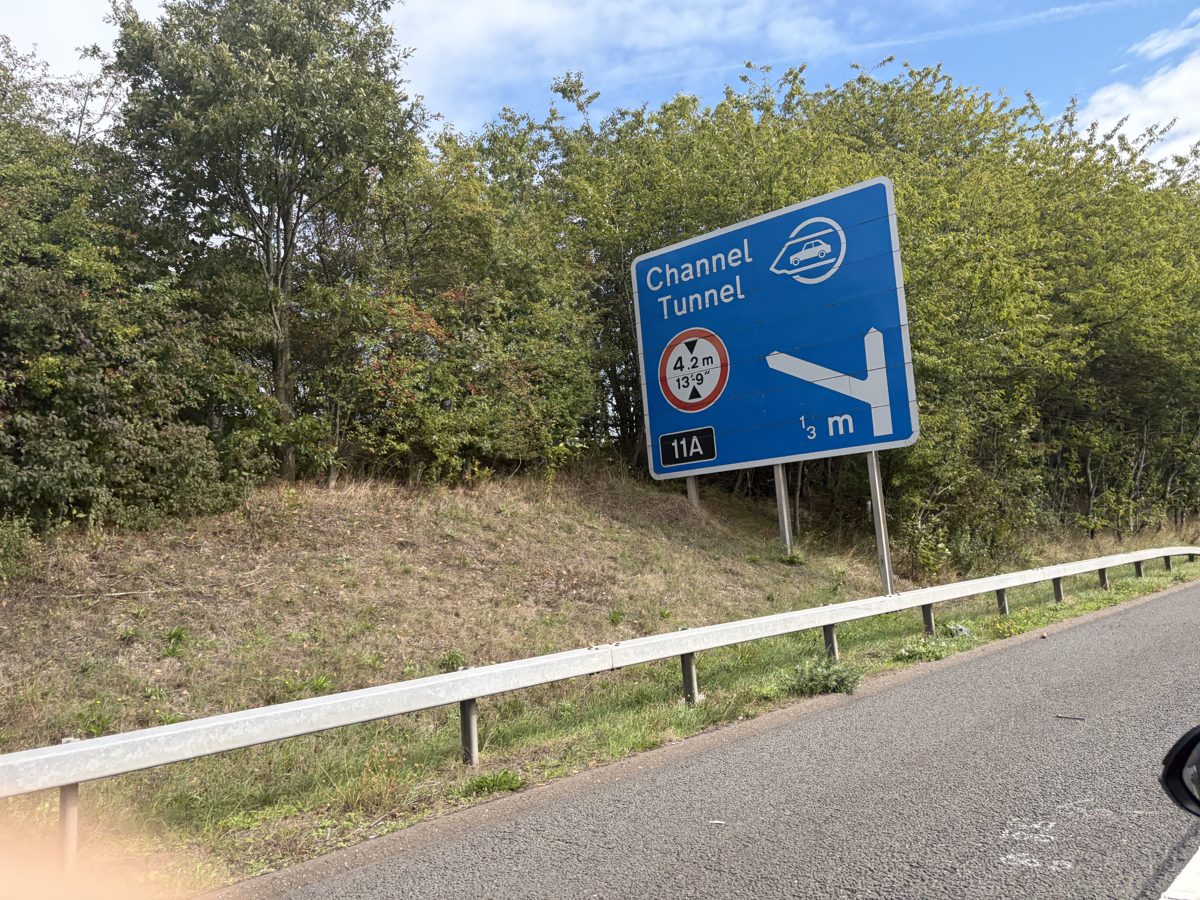
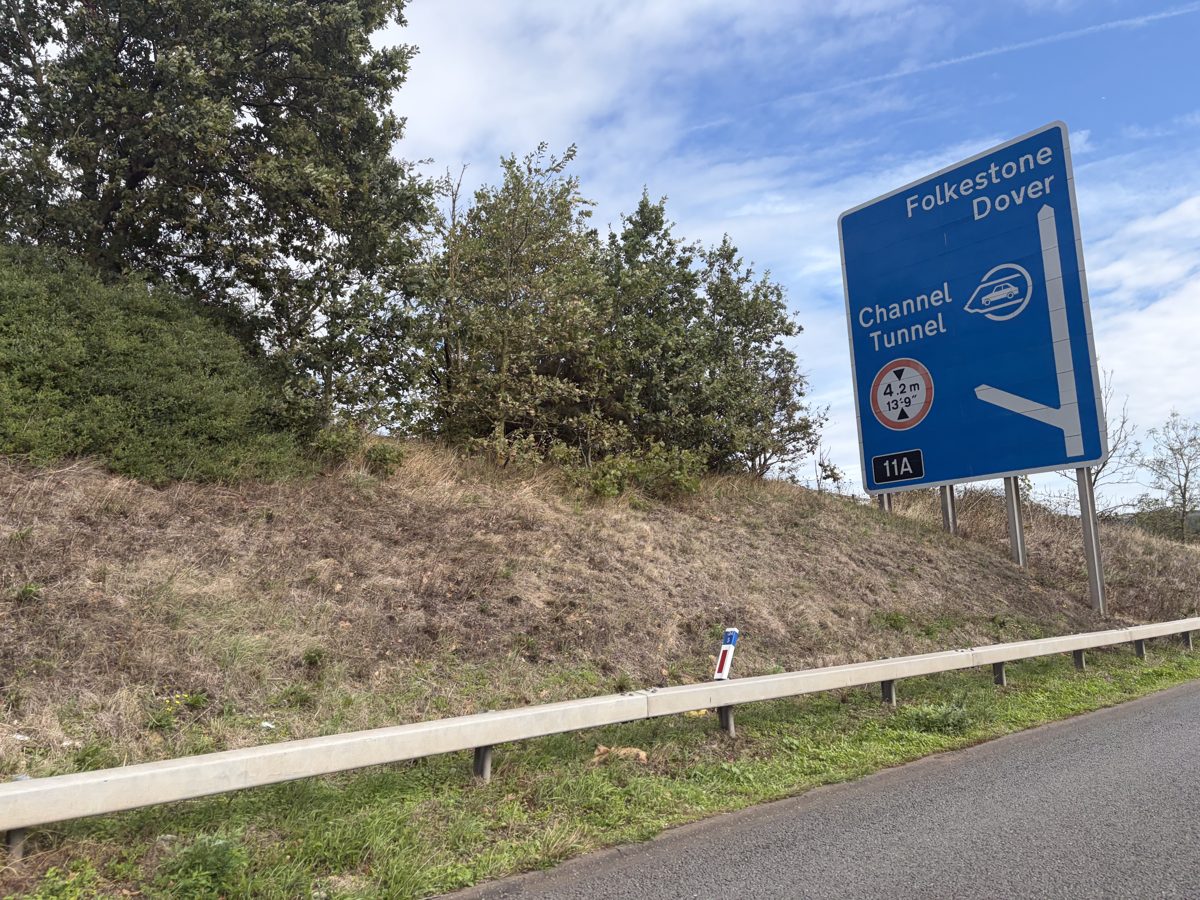
- At check-in, your booking and passports are scanned. Complete any border formalities if needed.
- Follow the lane signs. Taller vehicles and motorhomes are directed to the correct carriages.
- Drive into the carriage and park as guided by staff. Apply the handbrake and leave the car in gear or Park.
- During the 35-minute crossing you stay with your vehicle. Toilets are available on board.
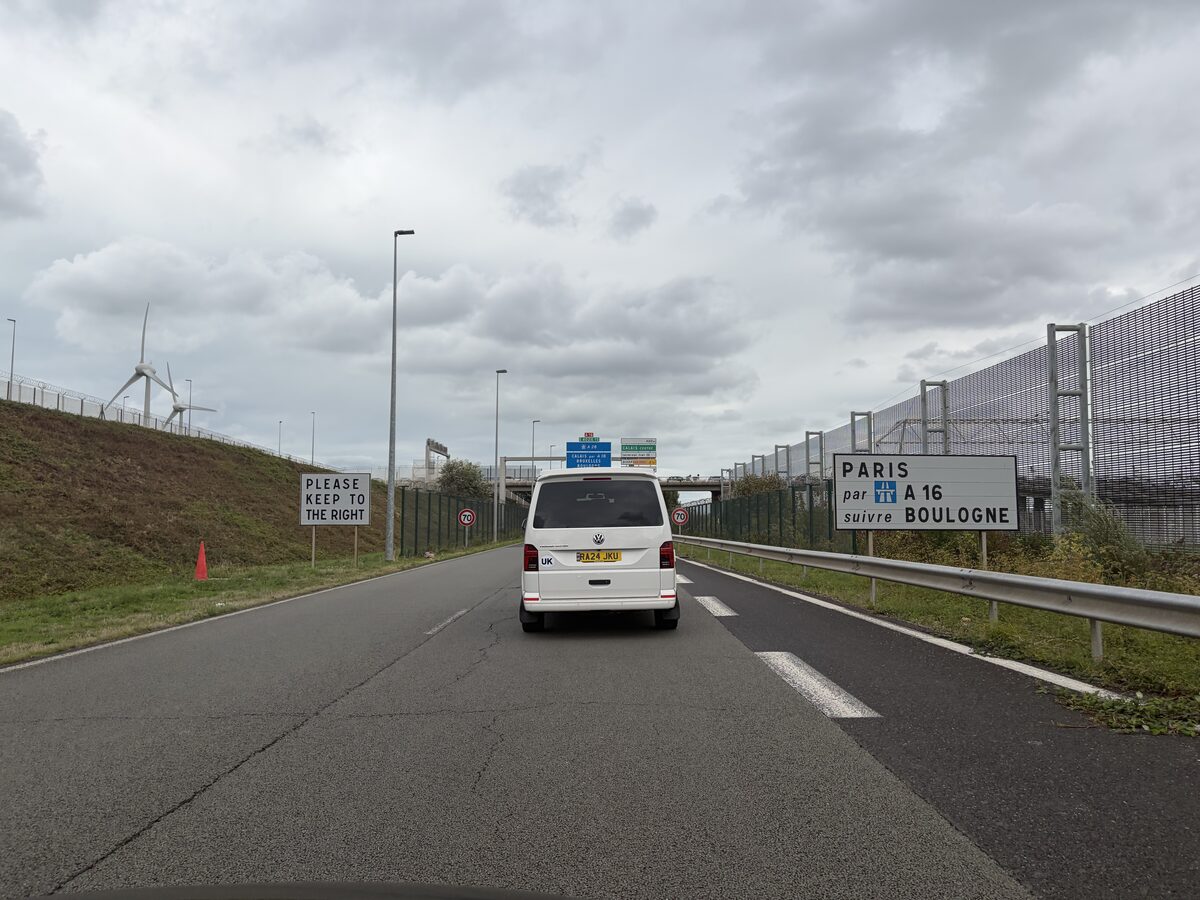
- On arrival in Calais the doors open and you drive straight onto the A16 motorway.
For first-timers, our guides to the timetable and what to expect at customs and border control are useful starting points.
Rules and restrictions for cars
Most vehicles are welcome on the Eurotunnel LeShuttle, but a few rules are worth knowing before you book.
- LPG-powered vehicles are not permitted. See our Channel Tunnel safety guide.
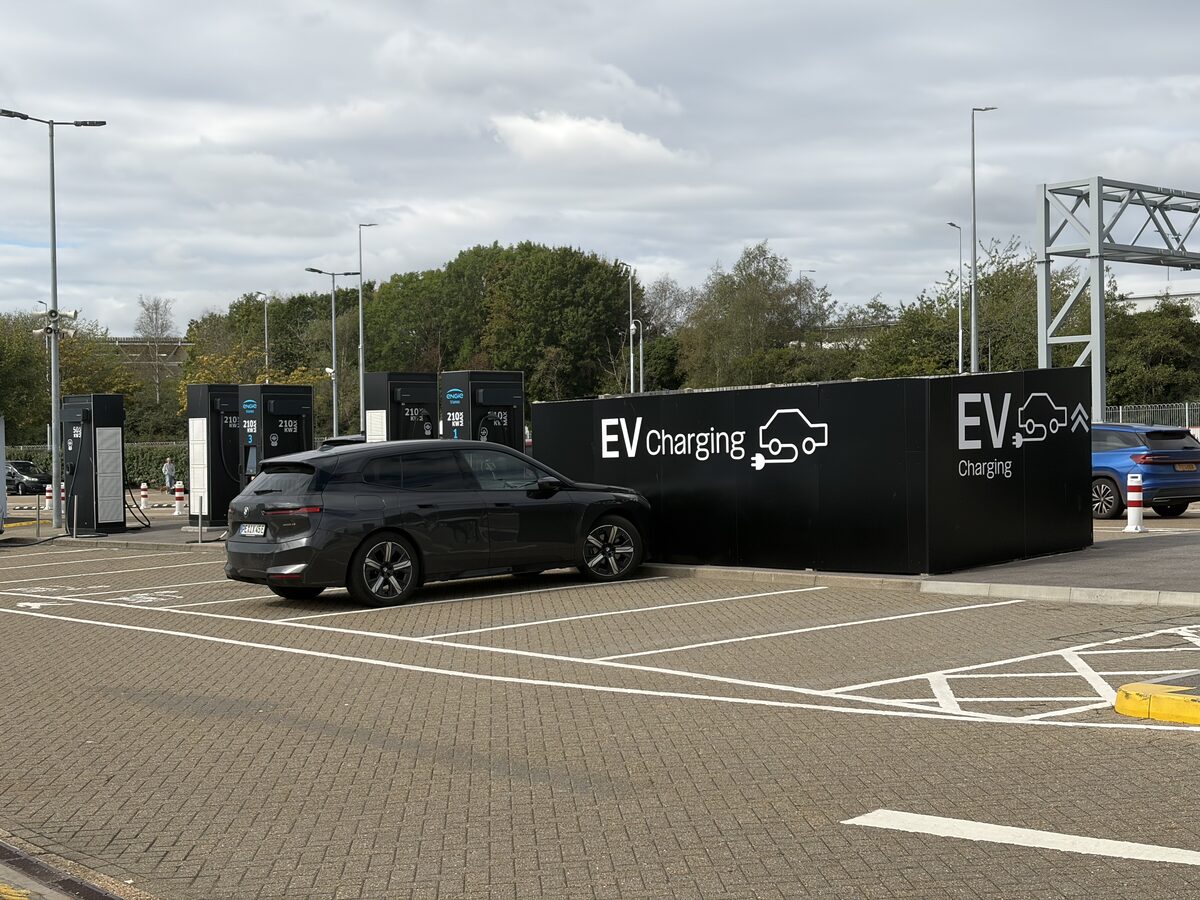
- Electric cars are allowed.
- Gas bottles are subject to restrictions and must be declared.
- Vehicles higher than 1.85 metres, or with roof boxes, must be booked in the correct category.
- Cars and vans can weigh up to 3.5 tonnes when loaded; motorhomes, caravans and coaches have their own limits.
- Low sports cars and cars with a lowered chassis are accepted when booked correctly.
By car or by ferry?
The tunnel is faster than the ferry. Driving from London to Paris via the tunnel takes around 6 hours and 30 minutes in total, including driving and the crossing. The Dover to Calais ferry takes about 90 minutes to cross rather than 35 minutes, but it can be cheaper on certain dates, and some travellers prefer being able to leave their car and walk around during the sailing. For a full comparison, see Channel Tunnel or ferry.
Booking a ticket with a rental car
When you book, you are asked for the brand and model of your vehicle, which allocates the right space on the train. If you plan to use a rental car and do not yet know the exact model, you can still book, here is how.
- Select Car as your vehicle type.
- Choose “other brand” and “other model”, and enter the approximate length and height.
- Complete your booking to secure a place.
- Update the booking later once you know the exact rental car.
Keep in mind that some rental companies have rules about taking their cars from the UK to France, so check that it is allowed before you travel.
Driving in France after the tunnel
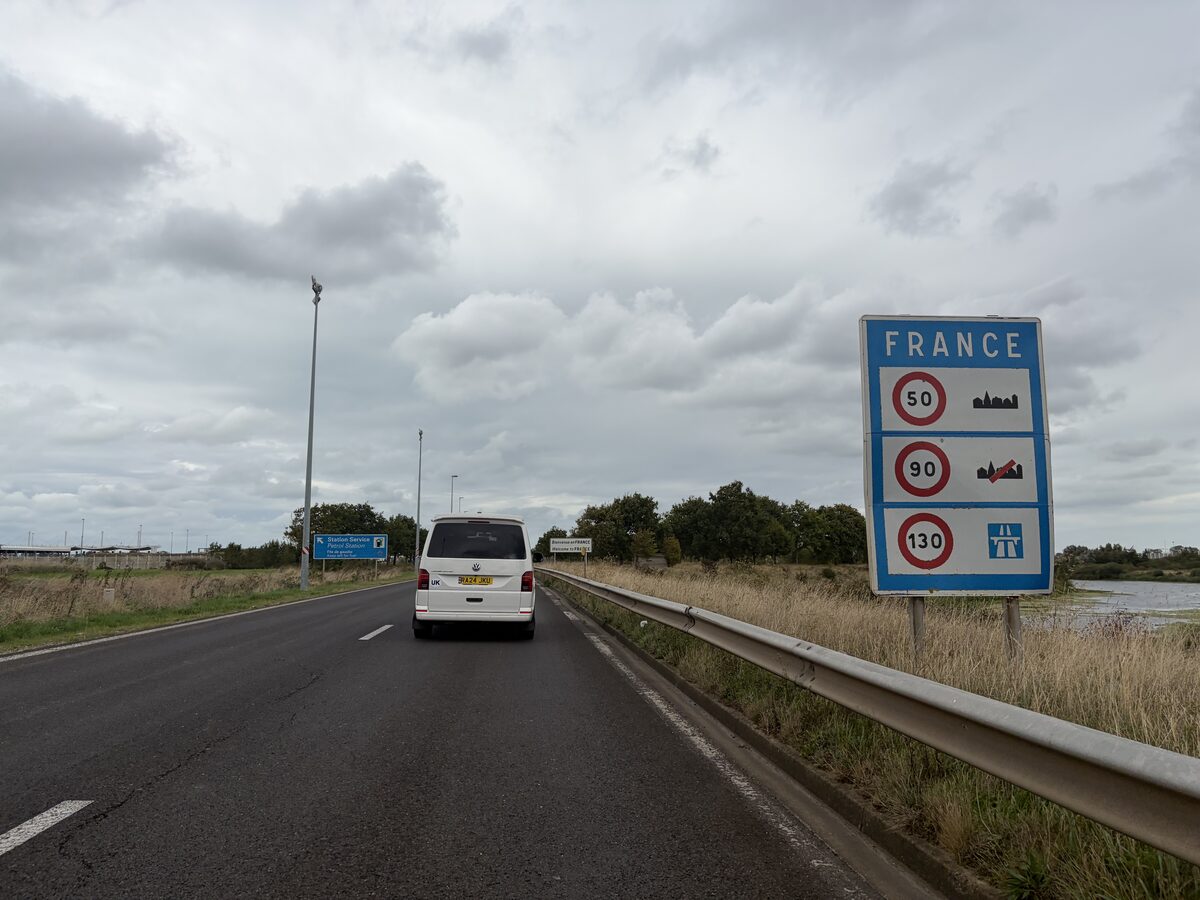
French speed limits are in km/h and are enforced with cameras. Keep to 50 in towns, 80 or 90 on open roads depending on the department, 110 on dual carriageways and 130 on motorways, dropping to 110 in the rain.
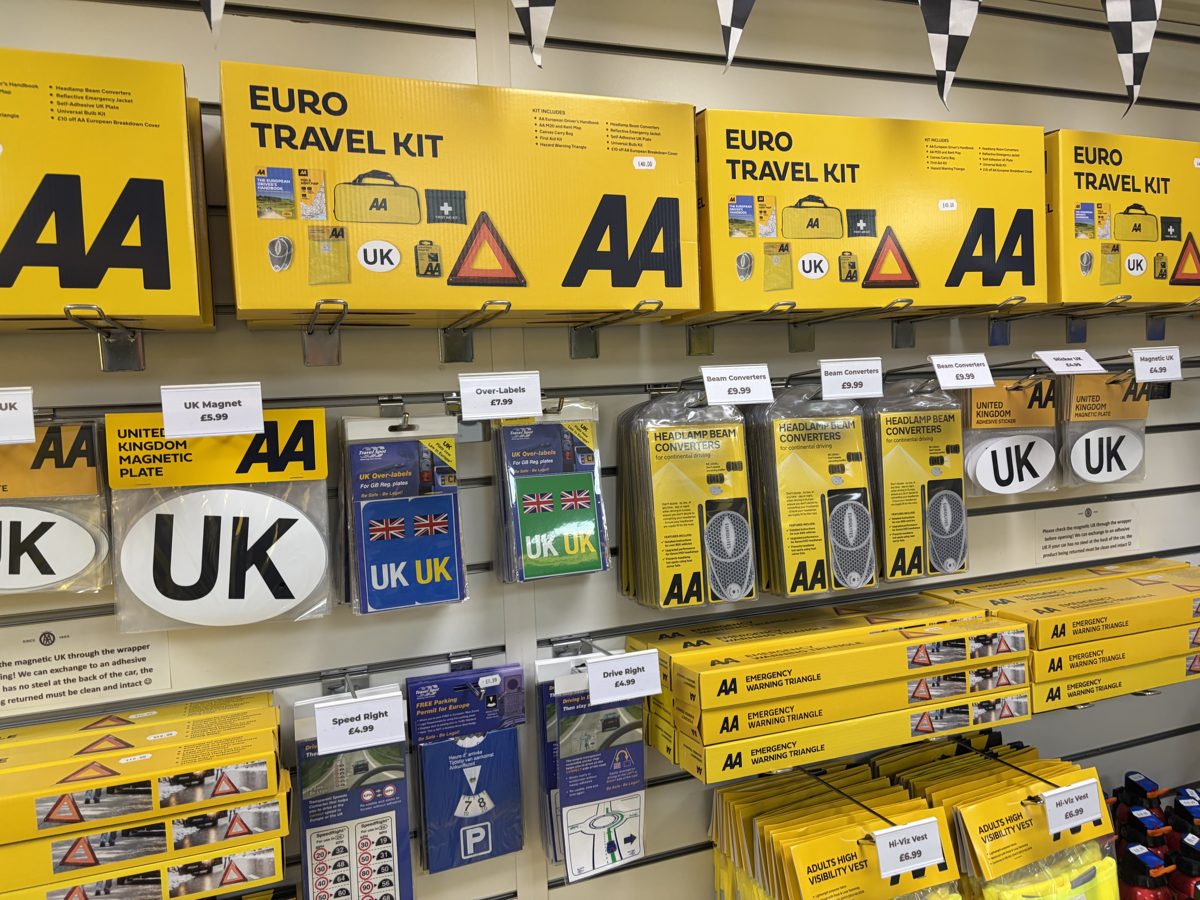
Your car also needs a UK sticker or UK plates, a warning triangle, a hi-vis vest for every occupant within reach from the seats, and headlamp beam deflectors so you do not dazzle oncoming traffic. Fines are handed out on the spot, so check the kit before you leave home. Spare bulbs and a first aid kit are recommended, not required, and a Crit’Air sticker is only needed to drive into the low-emission zones of some French cities.
Frequently asked questions
Can you take a car on the Channel Tunnel?
Yes. You take your car on LeShuttle, the Eurotunnel car train, from Folkestone to Calais. You drive onto the train and stay with your vehicle for the 35-minute crossing. This is different from Eurostar, which is a passenger-only train.
Can you take a car on Eurostar?
No. Eurostar carries foot passengers only, city to city. To take a car through the Channel Tunnel you need LeShuttle, the Eurotunnel car train, from Folkestone. If you searched for a car on Eurostar, LeShuttle is the service you actually need.
How much does the Eurotunnel cost by car?
Eurotunnel car fares start from £59 per vehicle each way for a Day Trip & Overnight (return within 1 or 2 days), rising through Short Stay Saver (£98), Standard (£124) and up to Flexiplus (£284). The price covers the whole car including up to nine people, and depends on your date, time and how far ahead you book. See the full tickets and prices guide.
How long does the Channel Tunnel take by car?
The crossing itself is about 35 minutes from Folkestone to Calais. Allow 2 to 3 hours in total including check-in, border control and boarding. Check current departures on the timetable page.
Are electric cars allowed on LeShuttle?
Yes, electric cars are allowed. LPG-powered vehicles are not permitted. Other vehicles are welcome when booked in the correct height and weight category. See our safety guide for details.
Can I book with a rental car?
Yes. Select Car, choose “other brand” and “other model”, and enter the approximate size to secure your place. Update the booking once you know the exact rental car. Check that your rental company allows travel from the UK to France.
Related guides on chunnel.co.uk
Planning a wider trip? Try our guides to driving from London to Paris, routes from Calais to Amsterdam, and our overview of how the Channel Tunnel works. Motorcyclists can read the motorcycle guide, and families heading to Disneyland Paris can follow our route tips. For live availability, visit the tickets page.
Driving through the Channel Tunnel with your car is fast and straightforward: check in at Folkestone, board the Eurotunnel LeShuttle train, spend 35 minutes with your vehicle during the crossing, and arrive in Calais ready for the open road. Prices start from £59 each way for a 1 or 2 day trip and £124 on a Standard ticket, and rise for flexible tickets. LPG cars are not allowed, but electric cars and most other vehicles are welcome when booked in the correct category. Use the price checker above to compare fares and book your crossing.