chunnel.co.uk › Channel Tunnel › London to Paris
Chunnel London to Paris by car: route, cost and time
Driving from London to Paris via the Channel Tunnel is the easy way to take your own car to France. The LeShuttle train carries you to Calais in 35 minutes, then it is a straightforward 3-hour drive to Paris, about 6 hours door to door.
You drive your car onto LeShuttle at Folkestone, cross to Calais in 35 minutes staying in your car, then drive south to Paris on the motorway. The tunnel itself does not go to Paris, but it is the quickest way to get your car across the Channel and onto the French road network.
Book your Channel Tunnel crossing
The first leg is your LeShuttle crossing from Folkestone to Calais. Use the price checker below to compare live Eurotunnel and ferry fares for your dates and book your crossing.

Can you get the Eurotunnel straight to Paris?
No, the Eurotunnel car train does not go to Paris. LeShuttle runs only from Folkestone to Calais. From Calais you drive on to Paris yourself, about 3 hours on the motorway via the A16, A26 and A1. If you want a direct train into central Paris without a car, that is Eurostar, not LeShuttle.
The London to Paris route, stage by stage
| Stage | Time |
|---|---|
| London → Folkestone | about 1h 30m via the M20 |
| Check-in & border control | about 60 minutes at the terminal |
| Folkestone → Calais (tunnel) | 35 minutes on LeShuttle |
| Calais → Paris | about 3 hours via the A16, A26 and A1 |
| Total, door to door | about 6 hours |
Calais to Paris is roughly 290 km. Times are for normal traffic; allow extra at peak periods and for rest stops.
How much is the Eurotunnel to Paris?
Two things make up the cost: the LeShuttle crossing, and then the French motorway tolls and fuel for the drive to Paris.
| Cost | Amount |
|---|---|
| LeShuttle crossing (car) | from £124 each way (£59 for a 1 or 2 day trip) |
| French motorway tolls (Calais to Paris) | £25–£30 |
| Fuel (about 290 km) | varies by vehicle |
The tunnel fare rises as departures fill up and peaks at weekends and in the holidays, so book early for the best price. See our tickets and prices and cheap tickets pages.
How long does London to Paris take?
About 6 hours door to door, of which the tunnel crossing is only 35 minutes. The rest is the drive to Folkestone, the terminal time, and the 3-hour run from Calais to Paris. Allow extra time for rest stops on the French side.
The driving route from Calais to Paris
The route is straightforward, all on motorways. From the Calais terminal you follow three roads.
- Join the A16 from the terminal, heading towards Boulogne.
- Take the A26 towards Arras.
- Follow the A1 south all the way into Paris.
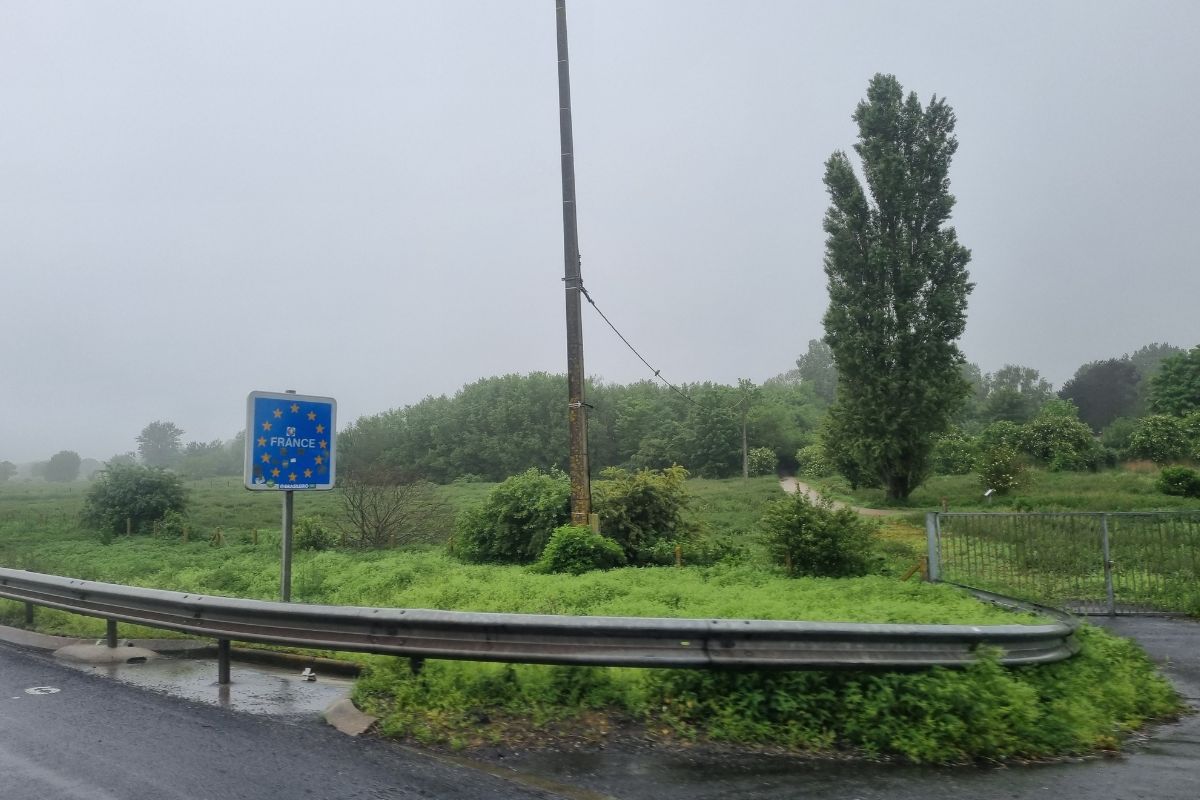
Remember to drive on the right, and keep euros or a card handy for the motorway tolls. Roundabouts go anticlockwise, so take extra care at the first few junctions after Calais.
Is it cheaper to get the ferry or the Eurotunnel?
Ferry crossings, especially Dover to Dunkirk and Newhaven to Dieppe, are frequently cheaper than the tunnel, though the tunnel is faster at 35 minutes. Which wins depends on your dates and whether you value speed or price. Compare both in our Channel Tunnel or ferry guide.
Continuing to Disneyland Paris?
Disneyland Paris is about 32 km east of central Paris, roughly 3 hours 30 minutes from Calais via the A1 and A104. See our dedicated Eurotunnel to Disneyland Paris route guide.
Prefer to travel without a car? Take Eurostar
If you do not need a car in Paris, Eurostar is the direct option: high-speed rail from London St Pancras to Paris Gare du Nord in about 2 hours 20 minutes, for foot passengers only. See our Eurostar guide.
Frequently asked questions
Can you get the Eurotunnel straight to Paris?
No. LeShuttle runs Folkestone to Calais only. From Calais you drive on to Paris, about 3 hours via the A16, A26 and A1. For a direct train to central Paris, take Eurostar.
How much is the Eurotunnel from London to Paris?
The LeShuttle crossing starts from £124 each way on a Standard ticket (from £59 on a 1 or 2 day trip), plus roughly £25 to £30 in French motorway tolls and fuel for the drive from Calais to Paris.
How long does it take to drive London to Paris via the tunnel?
About 6 hours door to door: 1h 30m to Folkestone, around an hour at the terminal, a 35-minute crossing, and roughly 3 hours from Calais to Paris.
Is the ferry or the Eurotunnel cheaper to Paris?
Ferry routes are often cheaper, particularly Dover to Dunkirk, while the tunnel is faster. Compare live fares for your dates to decide.
How far is Calais to Paris by car?
About 290 km, roughly 3 hours on the motorway in normal traffic, via the A16, A26 and A1.
Do I need anything special to drive in France?
Yes. You drive on the right, France requires certain documents and safety equipment in the car, and you need euros or a card for the motorway tolls.
Driving London to Paris through the Channel Tunnel is quick and simple: cross to Calais in 35 minutes on LeShuttle, then follow the A16, A26 and A1 for about 3 hours into Paris, roughly 6 hours door to door. Budget for the tunnel fare from £124 each way (£59 on a 1 or 2 day trip) plus £25 to £30 in tolls, book early for the best price, and use the price checker above to compare fares and book your crossing.