chunnel.co.uk › Safety
Is the Channel Tunnel safe? Safety, evacuation and rules
Crossing 50km under the sea can sound daunting, but the Channel Tunnel is one of the safest ways to cross the Channel, thanks to its three separate tunnels and a dedicated escape system. Here is how the safety works, what happens in an emergency, and the vehicle rules.
Is the Channel Tunnel safe?
Yes. The Channel Tunnel is one of the safest transport crossings in the world, with an excellent record and hundreds of millions of passengers carried since it opened in 1994. The key reason is the design: it is not one tunnel but three, with a dedicated service tunnel for maintenance and evacuation, constant monitoring, and trained emergency teams. The crossing itself takes just 35 minutes.
Reassured? Book your crossing
Ready to travel? Use the price checker below to compare live Eurotunnel and ferry fares from Folkestone to Calais for your dates and vehicle.

The three tunnels: why the design is so safe
The Channel Tunnel is built as three parallel tunnels rather than one, and that is the heart of its safety.
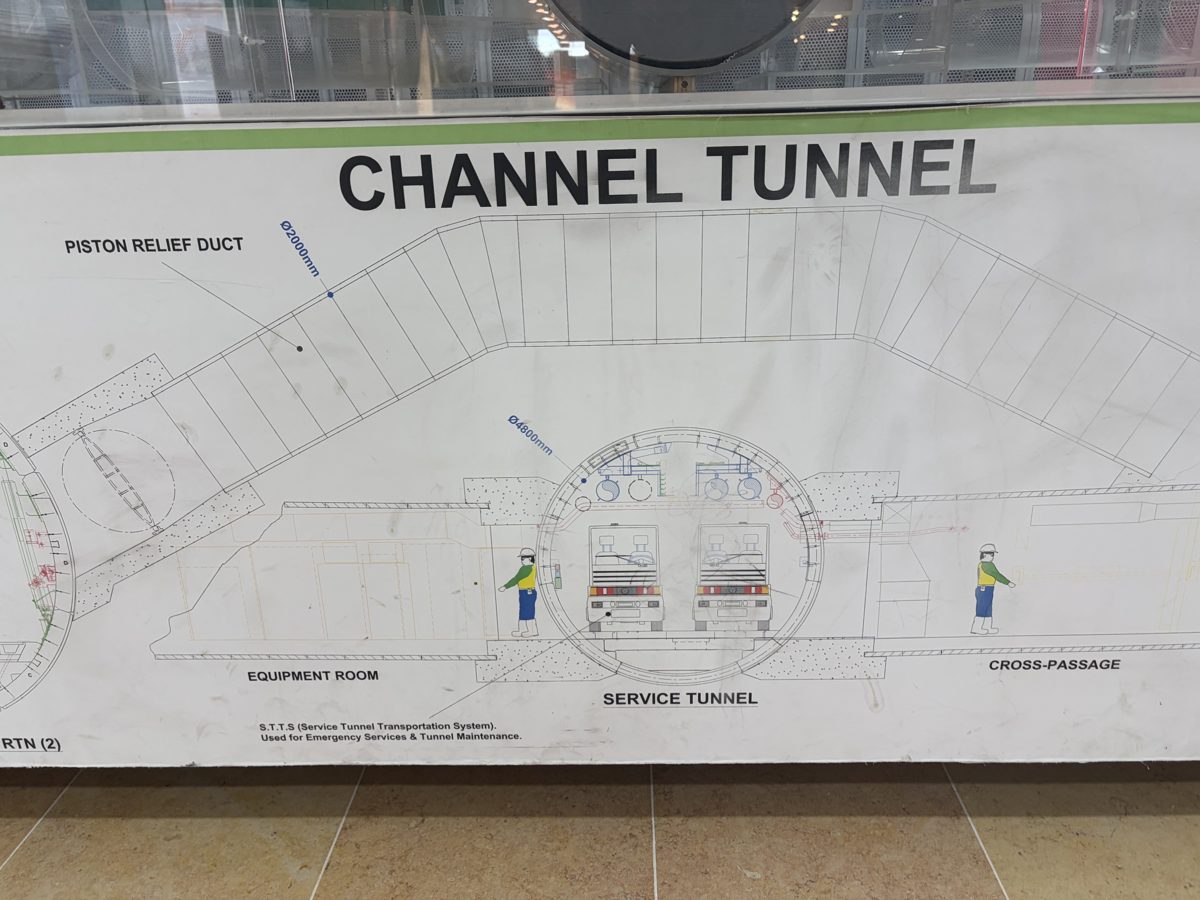
- Two running tunnels, one for each direction of travel.
- A central service tunnel between them, used for maintenance and, if needed, evacuation.
- Cross-passages connect the tunnels at regular intervals, giving a quick route to safety.
- The service tunnel is kept at a higher air pressure than the rail tunnels, which keeps smoke out and makes it a safe refuge.
What happens in an emergency?
Emergencies are rare, but the tunnel is built and staffed to handle them quickly and calmly.
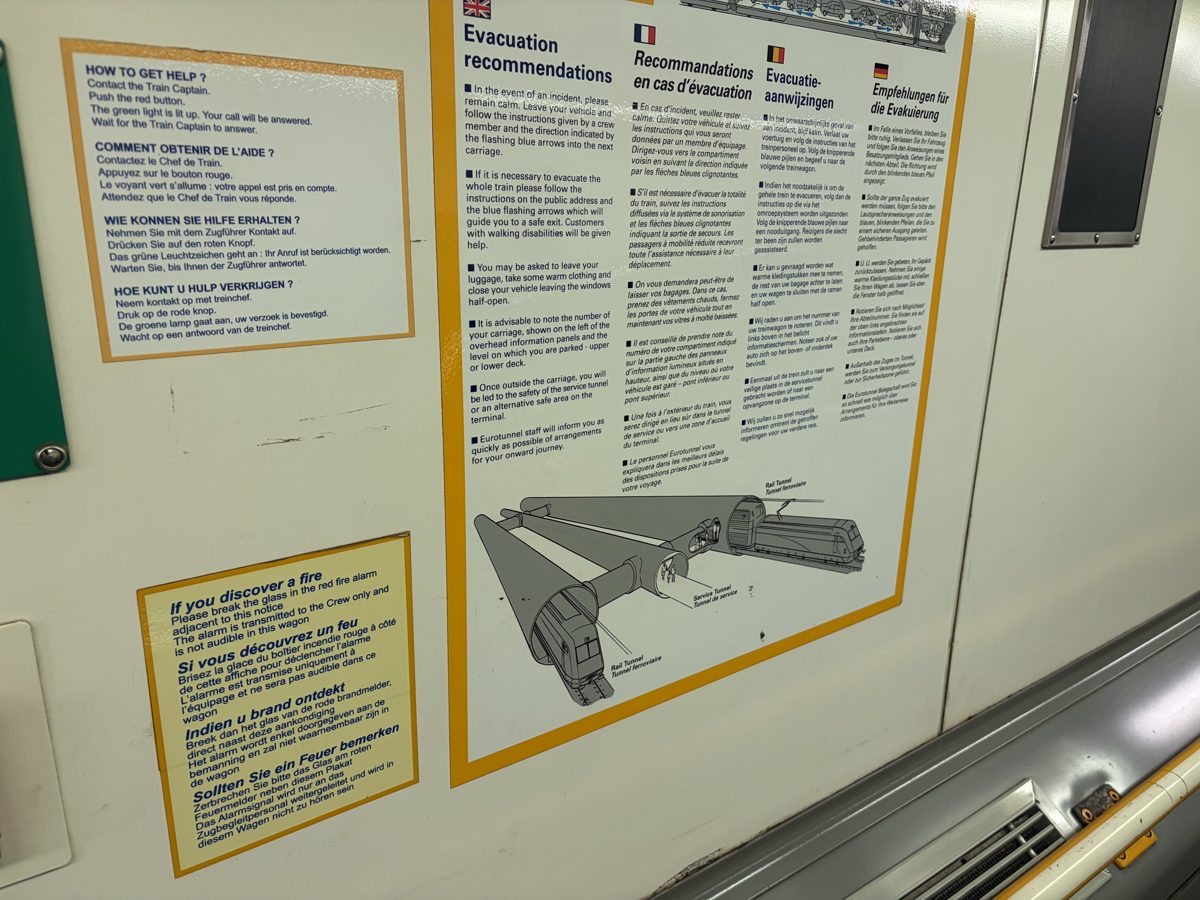
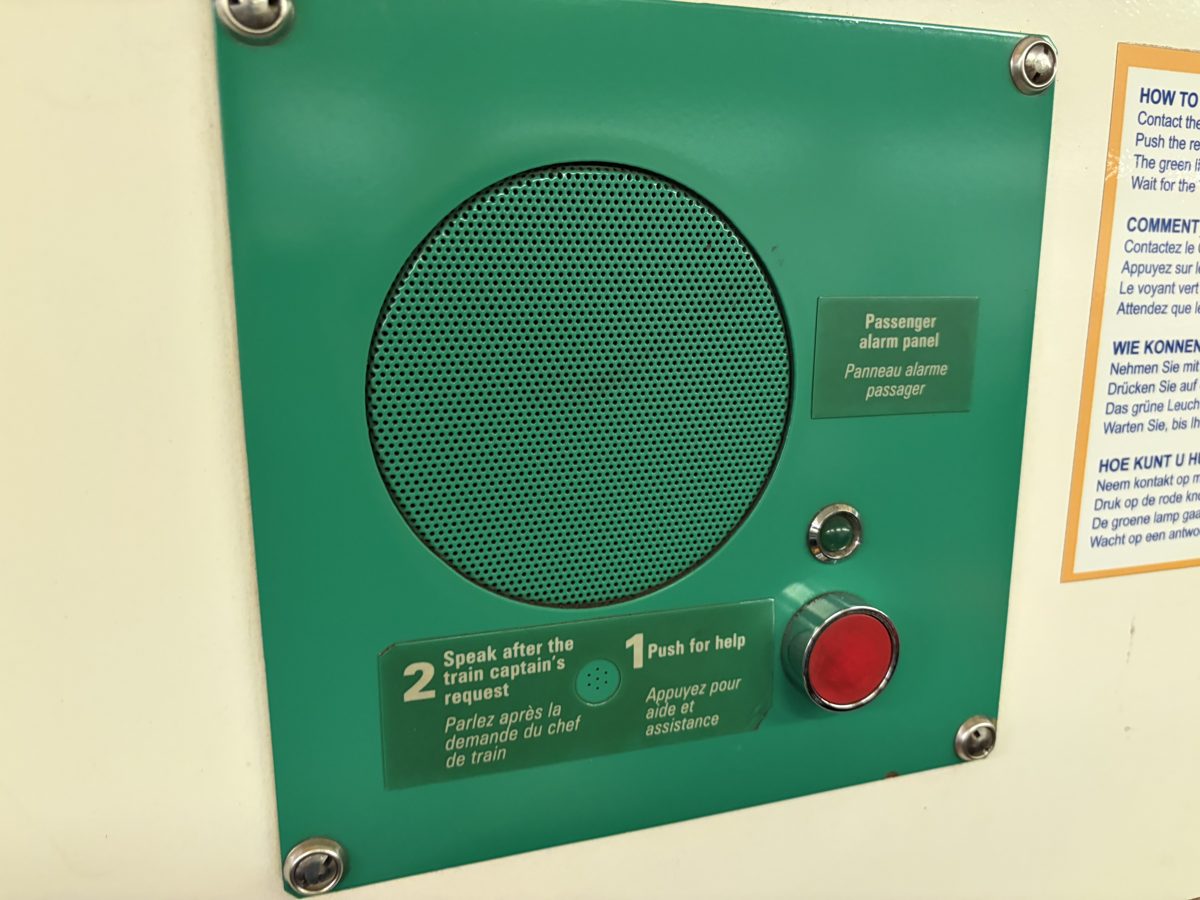
- The tunnel is monitored around the clock for fire, smoke and temperature.
- If needed, passengers are guided through the nearest cross-passage into the service tunnel, which stays free of smoke.
- Dedicated emergency teams reach any point quickly via that service tunnel.
- Trained staff manage a calm, orderly evacuation.
So should I worry about the crossing?
For the vast majority of travellers, no. The crossing is quick, smooth and enclosed, and you stay in your own car in a well-lit carriage for the 35 minutes. If you find tunnels or enclosed spaces very difficult, staying in your own vehicle for such a short time helps, but the open-air ferry is a good alternative if you would genuinely prefer it.
Vehicle safety rules: why LPG is not allowed
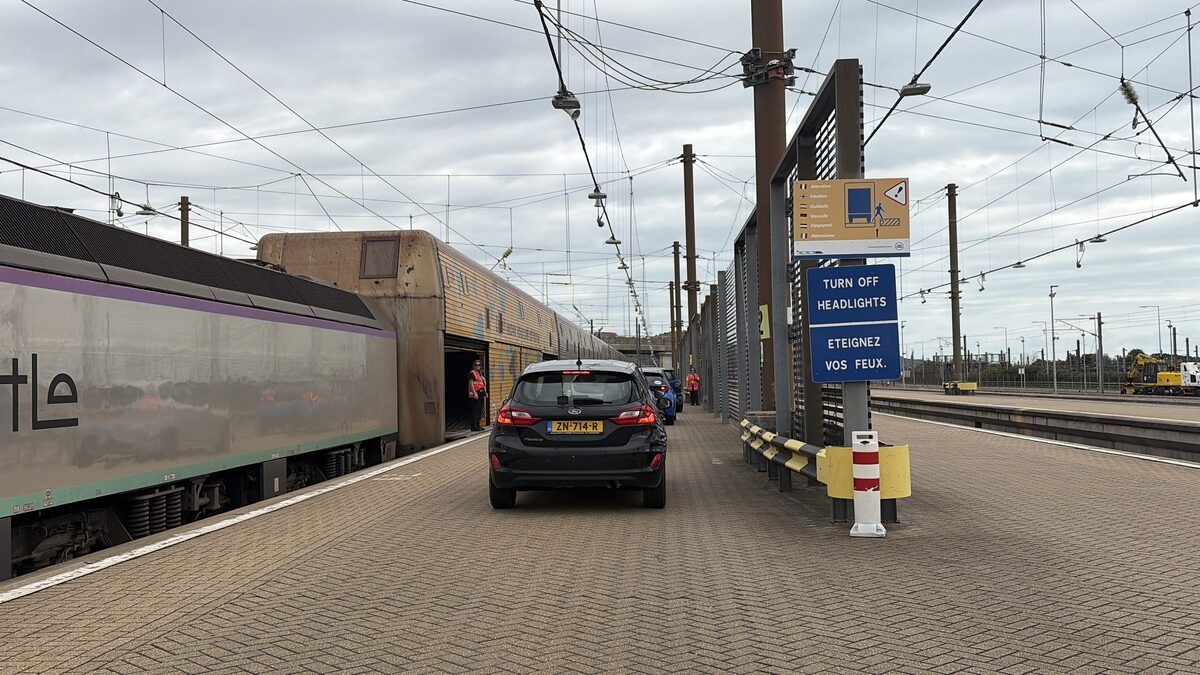
The one strict rule that catches people out is LPG. Vehicles powered by LPG cannot use the Channel Tunnel, and there are no exceptions.
Travelling with gas in campers and caravans
Leisure gas is different from LPG engine fuel. Small gas cylinders for cooking and heating in a camper or caravan are allowed, within limits: they must be turned off before boarding, may be inspected by staff, and there is a cap on the total amount you can carry. See our motorhome and caravan guides for the specifics.
Other safety rules to know
Fuel in your tank
Your vehicle must carry enough fuel for the crossing. Spare fuel is allowed in limited amounts: plastic cans of up to 10 litres (maximum three) or a single metal can of up to 20 litres, never more than 30 litres per vehicle. See LeShuttle’s rules on reserve fuel.
Pets on board
Pets are welcome with the right check-in and documents, and stay in the car with you. See travelling with pets.
Bicycles and motorcycles
Bicycles travel on your vehicle or via the dedicated cycle service, and motorcycles are welcome with their own boarding procedure. See the bicycle and motorcycle guides.
Restricted goods
Hazardous materials, explosives and certain chemicals are banned. Declare anything you are unsure about at check-in.
The alternative for LPG drivers
If your vehicle runs on LPG, the ferry is your route across. Most ferry lines accept LPG cars, but with conditions: often only factory-fitted LPG systems, with the tank closed for the sailing, so check with the operator before you book and declare it at check-in. Popular options include Calais to Dover, Hook of Holland to Harwich, Rotterdam to Hull and IJmuiden to Newcastle. Compare the crossings in our Channel Tunnel or ferry guide.
Frequently asked questions
Is the Channel Tunnel safe?
Yes, it is one of the safest crossings in the world, with a three-tunnel design, round-the-clock monitoring and an excellent record since it opened in 1994.
What happens if there is an emergency?
Passengers are guided through the nearest cross-passage into the smoke-free service tunnel, where dedicated emergency teams can reach them quickly.
How many tunnels are there?
Three: two running tunnels (one each direction) and a central service tunnel used for maintenance and evacuation.
Is the tunnel bad for claustrophobia?
The crossing is only 35 minutes and you stay in your own car in a well-lit carriage, which many people find manageable. If you would rather be in the open air, the ferry is an alternative.
Can I travel with an LPG vehicle?
No. LPG-powered vehicles are completely banned, including dual-fuel cars, even when running on petrol. You must take a ferry instead.
Can I take camping gas?
Yes, small cylinders for cooking and heating are allowed within limits, provided they are turned off before boarding and declared.
Can I carry extra fuel?
Yes, in limited amounts. Plastic cans of up to 10 litres (maximum three) or a single metal can of up to 20 litres are allowed, never more than 30 litres per vehicle, and the cans must be designed for fuel.
The Channel Tunnel is one of the safest ways to cross the Channel: three separate tunnels, a smoke-free service tunnel for evacuation, cross-passages at regular intervals and constant monitoring, all behind a 35-minute crossing you spend in your own car. The main rule to remember is the total ban on LPG-fuelled vehicles, which must use the ferry instead. Everyone else can book with confidence using the price checker above.