chunnel.co.uk › Passport & Customs
Channel Tunnel passport control and customs checks
Crossing the Channel Tunnel means passing both UK and French passport control and customs before you board at Folkestone. The checks usually take only minutes. Here is what to expect, from passports and the new EES to duty-free limits and what you can bring.
The good news is that both borders are handled in one place, at the departure terminal, before you board. You clear UK and French control at Folkestone, then drive straight off in Calais with no further checks. This guide covers passports, the new EES border system, Advance Passenger Information, what happens at customs and security, and the rules on what you can and cannot bring.
Book your Channel Tunnel crossing
Getting your paperwork right starts at booking, where you submit passenger details. Use the price checker below to compare live Eurotunnel and ferry fares from Folkestone to Calais for your dates.

Passport control at the Channel Tunnel
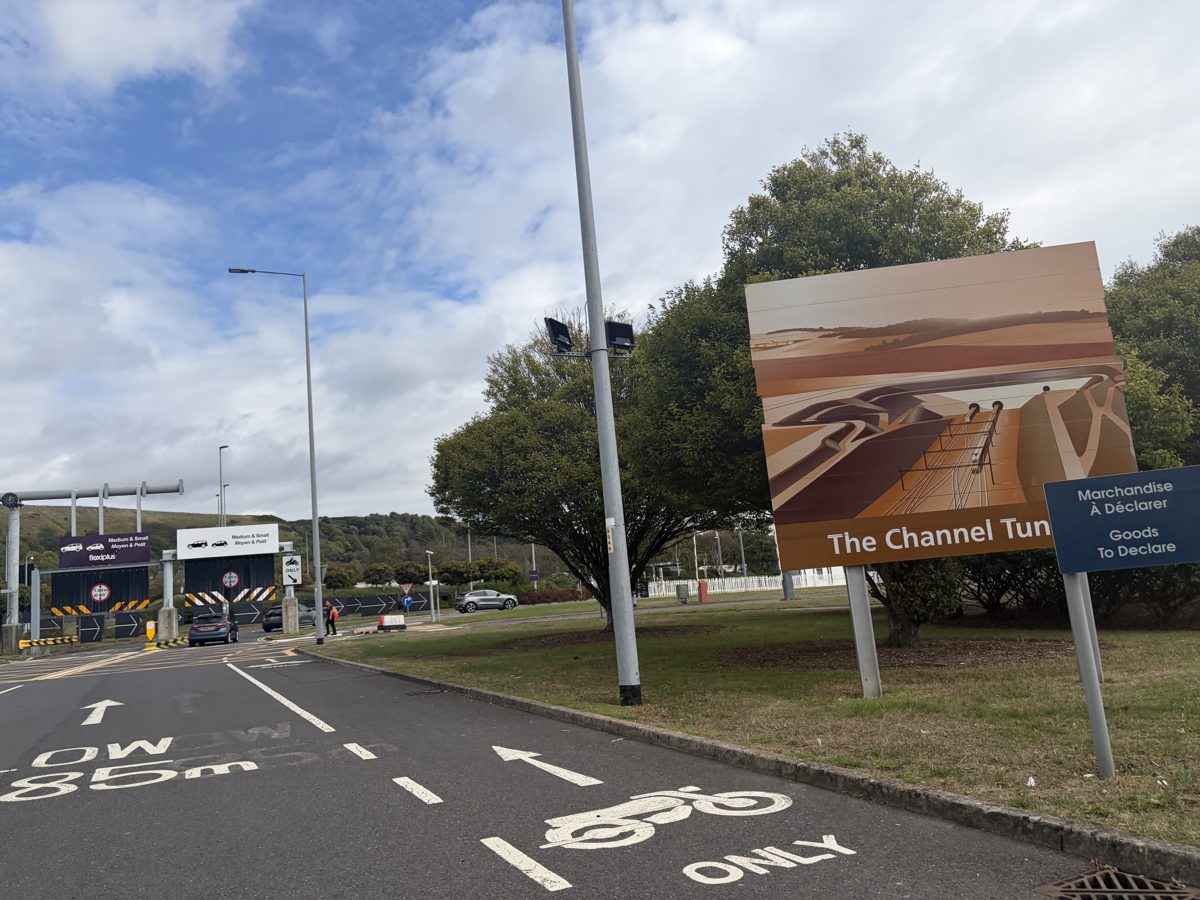
The Channel Tunnel uses juxtaposed controls: you clear both UK and French border control at the Folkestone terminal before boarding, then drive off in Calais without stopping again. Officers may ask about your journey.
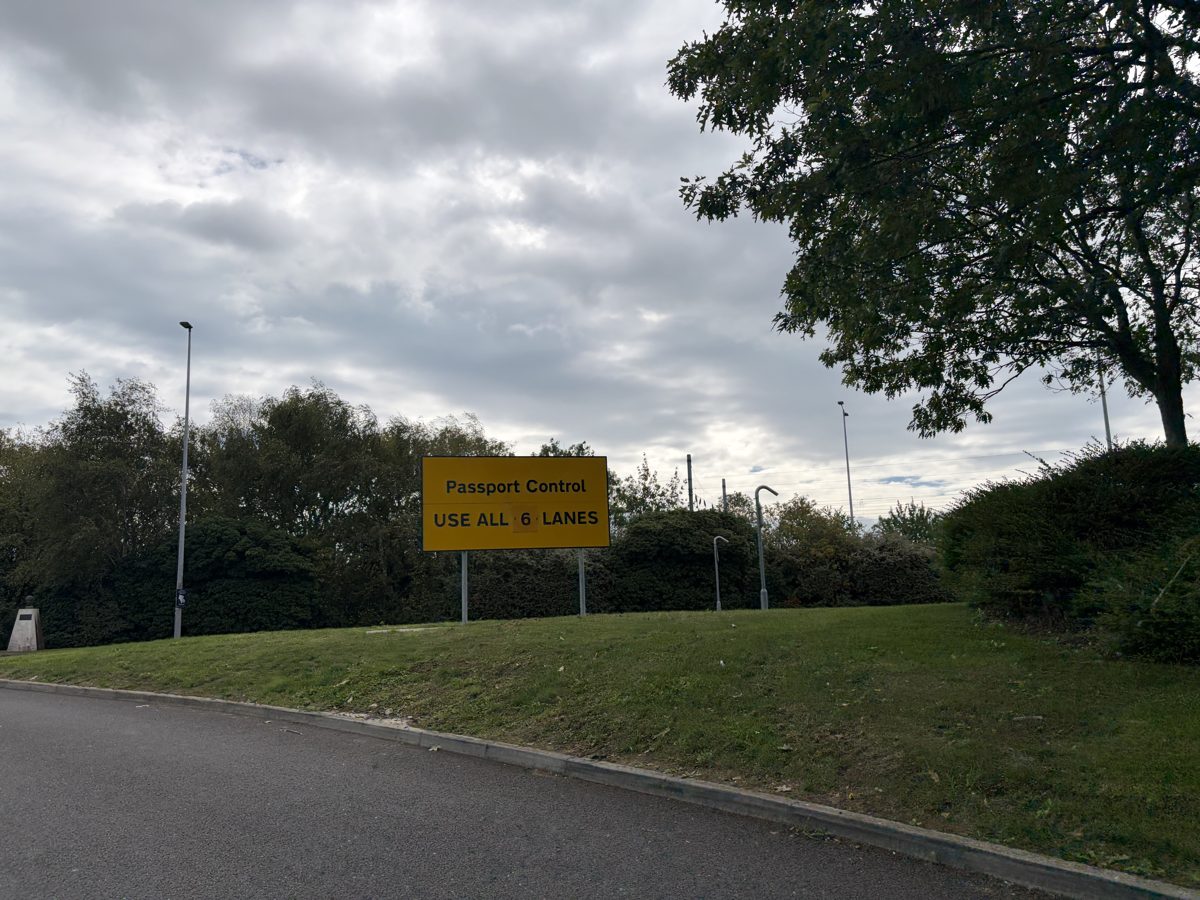
- One valid passport is required for every passenger, including children.
- British citizens need a passport. Some EU, EEA and Swiss citizens with EU Settlement Scheme status can still use a national ID card; check GOV.UK if that applies to you.
- For France, a British passport must have been issued less than 10 years before the day you arrive and be valid for at least 3 months after the day you plan to leave.
The EES: new EU border checks
The EU Entry/Exit System (EES) digitally registers non-EU visitors, including UK travellers, when they enter and leave the Schengen area, replacing the manual passport stamp. At the Channel Tunnel this happens at the French border in Folkestone.
EES has been fully in force since April 2026. For car passengers at Folkestone, French border police currently create your record at the booth, and full fingerprint and photo checks are still being introduced, so allow a little extra time at peak holiday periods. There is no app to pre-register for the tunnel: registration happens at the border. Check the latest guidance from the UK government and LeShuttle before you travel.
ETIAS, the separate EU travel authorisation for UK visitors (€20, valid for three years), is not expected to start before 2027.
Advance Passenger Information (API)
Before you travel, you must submit Advance Passenger Information (API), which is the passport details for everyone in your vehicle. Add it in your LeShuttle account or with your booking reference, at least 24 hours before you travel.
What to expect at customs and security
You drive through border and customs control before boarding. There are three stages, and having your paperwork ready keeps it quick.
- UK border: officers check your documents when you leave (and re-enter) the UK, and look for restricted items.
- French border: passport control and customs before you enter the EU. Officers may ask about goods, alcohol and tobacco.
- Security: vehicles are subject to security checks. Keep your booking reference and passports ready.
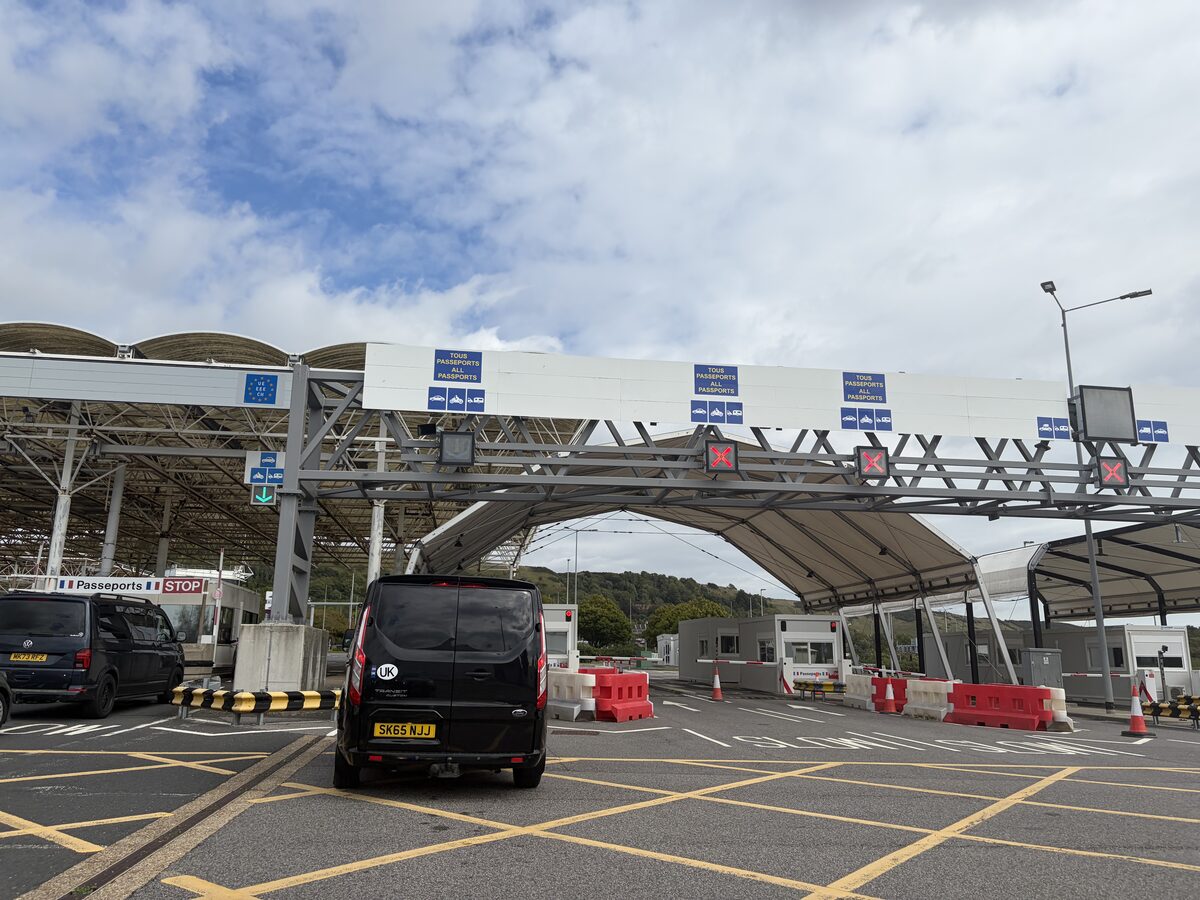
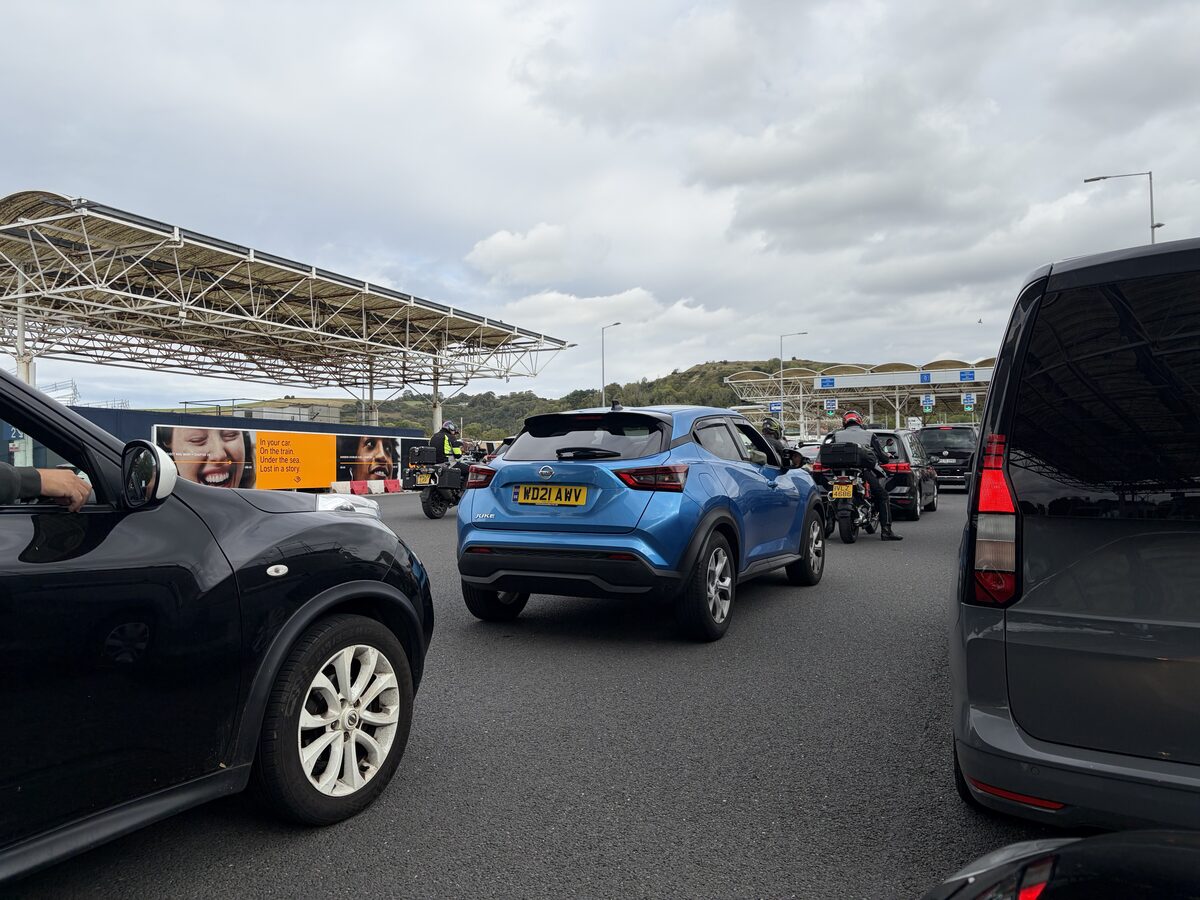
Have your paperwork ready before you reach the booths, as queues can form on busy days.
What you can and cannot bring
Personal belongings for your own use travel freely, but customs rules apply to certain goods.
- Luggage: personal luggage for your own use, with no weight limit. See our luggage policy.
- Alcohol and tobacco: duty-free allowances apply. Amounts above the allowance can be taxed, especially bringing goods from the EU into the UK.
Food and plants: some fresh food, meat, dairy and plants are restricted when entering the EU. - Fuel: spare fuel in jerrycans is limited to small quantities.
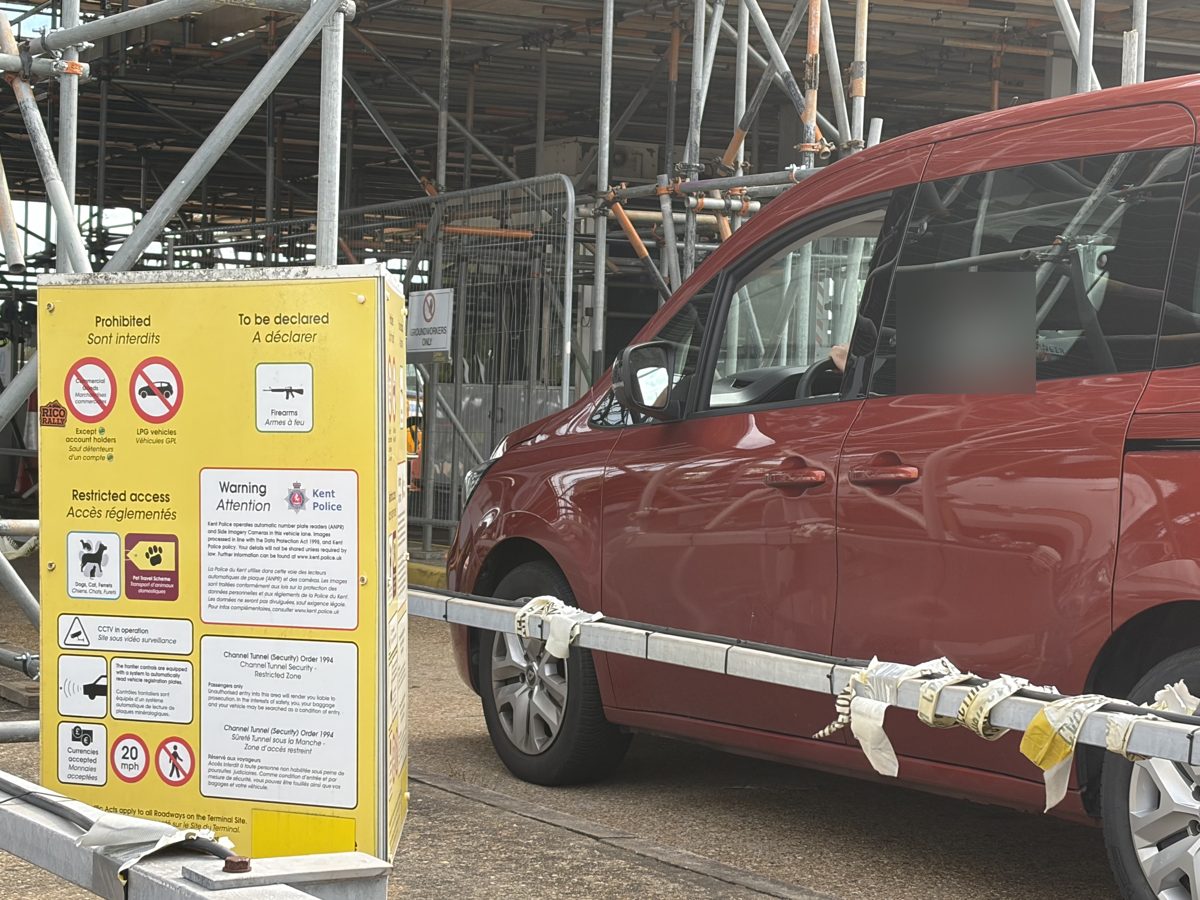
- Banned: LPG-powered vehicles, fireworks, flares and pyrotechnics are not allowed at all. Firearms are only accepted with a valid firearms or shotgun certificate and must be declared at check-in.
Pets and border control
Pets have their own checks at a dedicated pet check-in at Folkestone. Your pet needs a microchip, a valid rabies vaccination and an Animal Health Certificate (which replaced the old GB pet passport), plus a tapeworm treatment for dogs returning to the UK. See our full travelling with pets guide.
Freight and commercial goods
Commercial goods travel with a LeShuttle Van Pro business account (vans up to 3.5 tonnes) or on the Eurotunnel Freight service, with the proper customs paperwork completed before travel. A private house move with personal belongings can use the standard passenger service. If in doubt about whether your load counts as commercial, check before booking.
Tips for a smooth border crossing
- Complete your API before you reach the terminal.
- Keep passports ready for every passenger, including children.
- Check that each passport meets the EU validity rules well in advance.
- Declare gas bottles, firearms and any restricted items.
- Arrive at least one hour before departure, and more at peak holiday times.
- Check the latest EES and border guidance before you travel.
Frequently asked questions
Do I go through both UK and French passport control?
Yes. You clear both UK and French border control at the Folkestone terminal before boarding (juxtaposed controls), then drive straight off in Calais with no further checks.
Is API required for Eurotunnel travel?
Yes. You must submit Advance Passenger Information, the passport details for everyone in the vehicle, before you travel. Without it you will not be allowed to board.
Can I use an ID card instead of a passport?
No. For UK border crossings you need a valid passport for each passenger, including children. ID cards are only accepted for some EU, EEA and Swiss citizens with EU Settlement Scheme status.
What is the EES and does it affect me?
The EU Entry/Exit System digitally registers non-EU visitors entering and leaving the Schengen area, with biometrics on entry. It applies at the French border in Folkestone and has been fully in force since April 2026. There is nothing to do in advance: your record is created at the booth, so just allow a little extra time.
What goods are not allowed through customs?
Fireworks, flares and pyrotechnics, firearms without a valid certificate, and certain fresh food, meat, dairy and plants. Alcohol and tobacco above the duty-free allowance can be taxed, and LPG vehicles are banned.
How early should I arrive for border checks?
At least one hour before your booked departure, and more during peak holiday periods, so you have time for check-in, border control and any EES steps.
Do I need customs documents for personal luggage?
No. Personal belongings for your own use do not need customs paperwork, and there is no luggage weight limit.
Crossing the Channel Tunnel is quick at the border because you clear both UK and French control at Folkestone before you board. Bring a valid passport for every passenger, submit your API at least 24 hours before you travel, allow extra time for the new EES checks, and keep within the duty-free and restricted-item rules. Do that and the border is usually a matter of minutes. Use the price checker above to book your crossing.